







"I've been suffering for so many years. I'm sorry, I don't mean to get emotional I just can't remember what it feels like to be motivated or inspired and this treatment sounds hopeful. I'm so grateful I answered the phone."
Gavin, Age 29


TMS · Transcranial Magnetic Stimulation
TMS uses targeted magnetic pulses to gently reawaken the networks of your brain that depression has dulled. FDA-cleared since 2008. Covered by most major insurance. Twenty-minute sessions, no anesthesia, no downtime. And you can drive yourself home.

2008
TMS was FDA-cleared for treatment-resistant depression
U.S. Food and Drug Administration

1M+
TMS depression-treatment sessions administered in the United States
Clinical TMS Society aggregate data

20 min
per session, no anesthesia, zero recovery time
Clinical TMS Society, 2023

The basics
TMS, or transcranial magnetic stimulation, uses focused magnetic pulses to stimulate the parts of the brain that regulate mood. It's a non-invasive, long-lasting alternative to medication. The pulses in TMS are similar in strength to those used during an MRI scan. The FDA cleared TMS for treatment-resistant depression in 2008 and for OCD in 2018. More than a million sessions have been administered in the US, with hundreds of clinical trials supporting its use. It's drug-free and you'll have your sessions as an outpatient. You sit in a chair, the TMS device rests against your head, and you can read or listen to music. Sessions last no longer than 20 to 40 minutes. Normal activities including driving can resume right away after.
What TMS is not
 ~ Not ECT. There is no electrical current, no anesthesia, and no memory side effects.~ Not a medication. TMS targets a specific brain area directly, with no systemic side effects.~ Not a one-time fix. A standard course is 36 sessions over six to nine weeks.


Mechanism
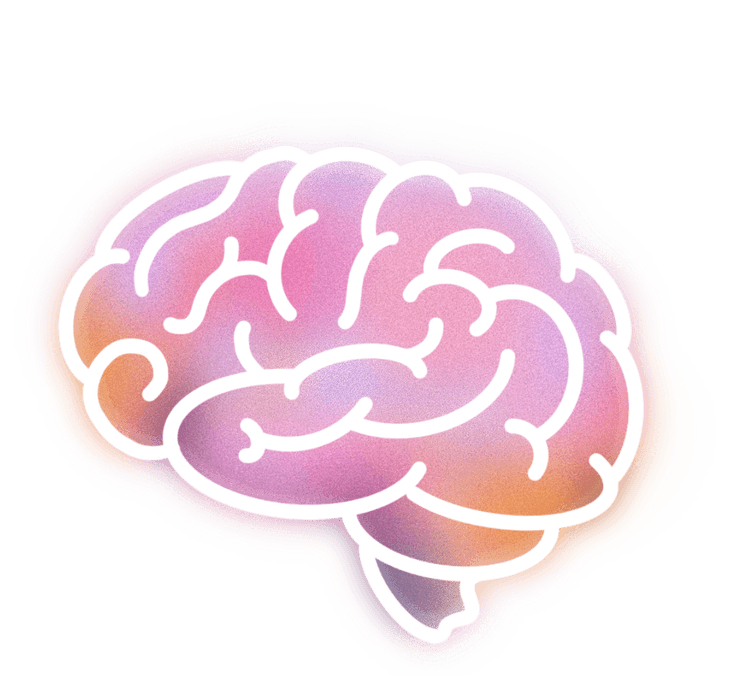
Depression is often associated with reduced activity in the left dorsolateral prefrontal cortex, the brain region that regulates mood and decision-making. TMS delivers focused magnetic pulses to this area to gradually restore normal activity. Functional neuroimaging studies show that repetitive TMS modulates downstream limbic structures, including the anterior cingulate cortex and amygdala. The result is a circuit-level reset rather than a chemical adjustment. That mechanism is why TMS can work when SSRIs have not. Different system, different result.
How it works
Repetitive magnetic pulses target the left DLPFCStudied across hundreds of randomized clinical trialsNo drug interactions and no systemic side effectsWorks alongside therapy and other psychiatric careSource: O'Reardon et al., 2007, Biological Psychiatry; George et al., 2010, Archives of General Psychiatry.
Learn moreWho it's for
TMS has multiple FDA clearances. We flag the off-label uses honestly below.
TMS is FDA-cleared for adults with depression that has not responded to at least one antidepressant. Research suggests roughly 50 to 60 percent of patients respond, with about a third reaching remission.
FDA-cleared for depression since 2008.
Deep TMS is FDA-cleared for adults with obsessive-compulsive disorder. The protocol targets a different brain region than depression treatment and runs over six weeks of daily sessions.
FDA status: FDA-cleared for OCD since 2018.
Research suggests TMS may help reduce anxiety symptoms, particularly when they co-occur with depression. Use for anxiety on its own is currently off-label and being studied in active trials.
FDA status: Research suggests TMS may help reduce anxiety symptoms, particularly when they co-occur with depression. Use for anxiety on its own is currently off-label and being studied in active trials.
Studies indicate TMS may reduce post-traumatic stress disorder (PTSD) symptoms in patients who haven't responded to talk therapy or medication alone. Clinical trials are ongoing to refine the protocol.
FDA status: Off-label for PTSD. Research is ongoing.
What to expect
Every protocol is individualized, but this is what most patients experience.
Your first visit identifies the precise treatment location on your scalp and calibrates the magnetic intensity to your motor threshold.
Five sessions per week, about 20 to 40 minutes each. You sit in a chair, the device rests against your head, and you can read or listen to music.
Sessions step down gradually as your response consolidates. Most patients return to a normal week within this phase.
Optional booster sessions if symptoms return. We'll reevaluate with your prescribing psychiatrist at three and six months.
 Your brain is healing
Side effects & safety
TMS has one of the cleanest safety profiles in interventional psychiatry. The tradeoffs are real, and we name them upfront.
Scalp discomfort or tapping sensation at the treatment siteMild headache after sessions, usually responsive to over-the-counter relief Brief facial muscle twitching during pulsesLightheadedness or fatigue right after the first few sessionsDiscomfort usually fades within the first one to two weeksSerious side effects, including seizure, occur in fewer than 1 in 1,000 patients under standard protocols.
 Metal implants in or near the head (excluding dental fillings)A history of seizures or epilepsyCochlear implants or implanted brain stimulatorsCertain types of brain lesions or active brain tumors
Your psychiatrist always confirms eligibility before any session is scheduled. We would rather say "not yet" than start a treatment that isn't right for you.
Insurance & cost
TMS for treatment-resistant depression has the broadest insurance coverage of any interventional psychiatry treatment. Most major commercial plans and Medicare cover the full course.
The clinic will run a free benefits check, gathers the documentation your insurer requires, and matches you to a clinic in your network before you commit to anything.

Most plans
Commercial and Medicare cover TMS with prior auth

2 trials
Typical antidepressant-failure documentation needed

Free
Psycle benefits check and clinic matching
Not sure TMS is the right fit?
Our care navigators match you to certified TMS clinics based on your history, symptoms, and insurance. There's no one-size-fits-all here. Just a real conversation about what's most likely to work for you — including Spravato, IV ketamine, or a combination.

"I've been suffering for so many years. I'm sorry, I don't mean to get emotional I just can't remember what it feels like to be motivated or inspired and this treatment sounds hopeful. I'm so grateful I answered the phone."
Gavin, Age 29

"I literally could cry right now, I'm so excited to just try and see if SPV Therapy works. I'm just so sick of nothing working; it sucks, and it's hard to get people to understand what you're going through because they just don't. Thank you so so so much, I appreciate you, you might've just changed my life."
Christina, Age 35

"I didn't know it was possible for me to receive something for my TRD. I always thought something was wrong with me or I was taking the medication wrong. I’m in tears knowing there’s something out there for me to try to be happy again."
Mike, Age 32

"This treatment has changed my life. I have really seen the difference and so has my family. After years of struggling, I'm finally off all of my psychiatric medications that were causing more harm than any good they were providing. I'm so grateful I took a risk and clicked the facebook ad I saw!"
Destiny, Age 38

"I've been dealing with this for so long and nothing has ever worked. Hearing that there's something that can actually help, and fast, I don't know, it just makes me feel like maybe things can actually get better. This is the first time I've felt hopeful in a long time."
Ella, Age 31
TMS uses targeted magnetic pulses, similar to those in an MRI, to stimulate the part of the brain that regulates mood. Sessions take 20 to 40 minutes, you sit in a chair, and you drive yourself home. No drugs, no anesthesia, no downtime.
Yes. TMS has been FDA-cleared for treatment-resistant depression since 2008 and for OCD since 2018. Research is ongoing for anxiety and PTSD, where it may be used off-label under psychiatric supervision.
Most patients describe a tapping sensation on the scalp during pulses. Some feel mild discomfort or a brief facial twitch in the first few sessions, which usually fades. There is no sedation, and you remain fully awake the entire time.
Many patients notice changes by the third or fourth week of the six-week acute phase. Full benefit typically consolidates by the end of treatment. Your prescribing psychiatrist tracks symptom scores throughout to confirm response.
A standard course is 36 sessions over six to nine weeks ~ five sessions per week during the acute phase, then a brief taper. Accelerated protocols compress the timeline into one to two weeks for select patients.
Most major commercial insurance plans and Medicare cover TMS for treatment-resistant depression. Coverage typically requires documentation of two or more failed antidepressant trials. Your Psycle coordinator runs a free benefits check before you commit.
TMS uses focused magnetic pulses while you sit awake in a chair. ECT uses electrical current under general anesthesia. TMS has no memory side effects and no recovery time. ECT remains an option for severe, treatment-resistant cases that need a stronger response.
Yes. TMS does not require sedation or anesthesia, so you can drive yourself to and from each appointment. Most patients return to work or normal activities the same day.
A 15-minute call with a Psycle care coordinator. Free, confidential, no obligation.