

Ibogaine has been making waves in both the wellness and celebrity worlds as a powerful tool for healing addiction, trauma, and mental health challenges. This article will explore what ibogaine is, how it works, and the stories of celebrities who have turned to it for recovery and personal growth.
What is Ibogaine and Why the Hype?
Ibogaine is a naturally occurring psychoactive compound derived from the root bark of the African iboga plant. For hundreds of years, iboga has been used by the Bwiti people of West Africa for spiritual and initiation rituals.
More recently, ibogaine has gained popularity as a tool for healing addiction and trauma, especially with growing research and public figures endorsing its benefits. This includes several veterans who have overcome severe post-traumatic stress disorder (PTSD) with the help of ibogaine.
With growing interest, numerous ibogaine retreat centres have opened in recent years, offering the medicine as part of a comprehensive healing experience. Most centres are based in Mexico, where the drug is legally accessible.
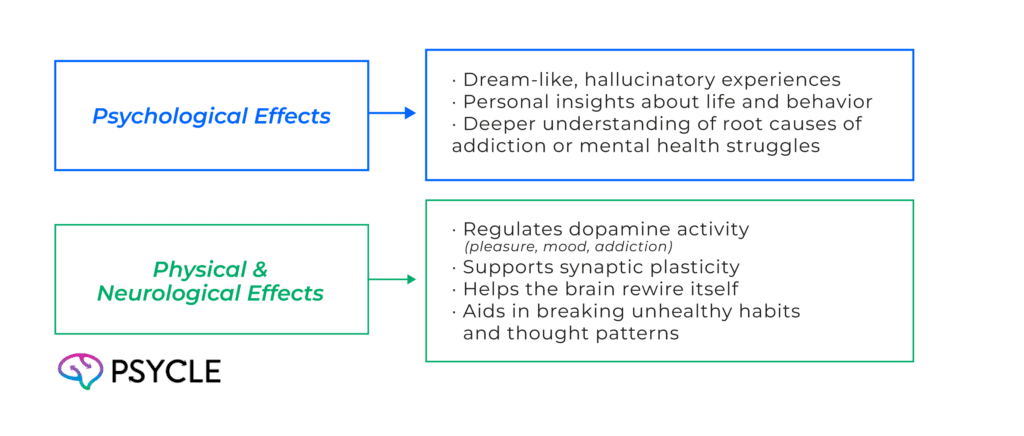
Unlike other treatments, ibogaine works on both the physical and psychological aspects of healing. People report hallucinatory experiences, similar to dreaming, where they typically gain insight about their lives and the world. They may better understand the root causes behind their addiction or other mental health challenges.
Ibogaine also has a range of neurological effects that explain its mental health benefits. For instance, it helps normalize the activity of dopamine, a chemical messenger involved in pleasure, addiction, and mood. It may also enhance synaptic plasticity — the brain’s ability to “re-wire itself” — helping people break unhealthy habits and ways of thinking.
Which Celebrities Have Used Ibogaine?
Jordan Belfort
Jordan Belfort, best known as The Wolf of Wall Street, is a former stockbroker turned author and motivational speaker. After his notorious run at the Stratton Oakmont in the 1990s and a prison sentence for securities fraud, he has since reinvented himself as a sales coach and writer.
In 2023, Belfort sought treatment at a clinic near Cancún, Mexico, after battling a decade-long addiction to Suboxone — a drug he was prescribed to help him quit Vicodin following multiple surgeries. “I got sober in 1997,” he told The New York Post, “but no one told me how impossible Suboxone would be to get off.”
He attended a rapid detox center, which he described as a “total disaster,” and so turned to ibogaine as a last resort solution. Belfort was initially skeptical of psychedelics, but had been encouraged to try ibogaine by Mike Zapolin, a former banker turned “psychedelics concierge.” Belfort checked into Beyond, a luxury rehab center specializing in ibogaine.
Though he didn’t have the profound spiritual experience others describe, he says the treatment gave him a deeper understanding of himself. He reports having been Suboxone-free ever since.
Scott Disick
Scott Disick is an American reality TV personality, entrepreneur, and socialite best known for appearing on Keeping Up with the Kardashians and its spin-offs. He rose to fame through his long-term relationship with Kourtney Kardashian, with whom he shares three children. Beyond reality TV, Disick has pursued business ventures in fashion, nightlife, and real estate, including his home-flipping show Flip It Like Disick.
In March 2015, Disick attended the Rythmia Life Advancement Center (RLCA) in Costa Rica. At the time, the centre offered luxury therapeutic retreats involving iboga. However, they’ve since rebranded and now use the Amazonian-based plant medicine ayahuasca instead.
Rather than directly addressing addiction issues, Disick sought to address his personal trauma, including events from childhood and grief related to the loss of his parents. He went for one week but said he could have stayed for later on account of not feeling done.
“It helped my dramatically to see some of the things that have troubled me in the past, but I’m not done,” he stressed. “I plan to go back and I hope it helps me even more to get to a point where I’m fully cured of some of things that I struggle with,” he shared in a post on People.
Discick appeared to have reclaimed his quality of life following the treatment, reporting that he was “feeling good and living healthy, eating better, exercising more and doing whatever I can to get by.”
Dakota Meyer
Dakota Meyer is a former United States Marine and a recipient of the Medal of Honor, the U.S. military’s highest award for valor. He earned the medal for his heroic actions during the Battle of Ganjgal in Afghanistan in 2009, where he repeatedly risked his life to rescue fellow soldiers under heavy enemy fire.
After leaving the military, Meyer has since become an author, public speaker, and veterans’ advocate, focusing on mental health.
Meyer’s own mental health journey included overcoming severe PTSD after attending an ibogaine treatment centre in 2019.
“I dealt with anxiety and depression that absolutely wrecked me,” Meyer shared during a congressional hearing. “Ibogaine is not a medication that hides or treats symptoms. It heals. It ends addiction. I’ve never had an anxiety attack since. The treatment saved my life.”
Inspired by his own recovery, Meyer has become a passionate advocate for making ibogaine therapy accessible to fellow veterans. Alongside other veterans, he has testified in support of House Bill 3717 and Senate Bill 2308, legislation aimed at expanding access to ibogaine treatment. The bills include $50 million in grant funding to support FDA-approved clinical trials investigating ibogaine for addiction and other mental health conditions.
Meyer spoke openly about his ibogaine experience in an episode of the Joe Rogan Experience podcast.
Shawn Ryan
Shawn Ryan is a former U.S. Navy SEAL, CIA contractor, and the host of The Shawn Ryan Show, a podcast that delves into the experiences of military veterans, intelligence operatives, and other high-stakes professionals.
Inspired by the stories of fellow veterans, Ryan decided to try ibogaine at Ambio Life Sciences, a centre based in Tijuana, Mexico, offering spiritual wellness retreats designed to address addiction, trauma, and neurodegenerative conditions.
He participated in a ten-day program that included both ibogaine and 5-MeO-DMT, a powerful, short-acting psychedelic derived from the Bufo alvarius toad. Despite completing three and a half years of therapy and initially overcoming PTSD, Ryan found his mental health had relapsed, particularly with anxiety, which he feared was taking a toll on his family.
“Once again, I felt my life was spinning out of control. Things were moving too fast, I was never in the moment, my anger and anxiety were spiraling, and not only was it affecting me, it was putting tremendous stress on my marriage and family,” he shared on his YouTube channel.
Ryan’s ibogaine experience was very surreal. At one point, he described seeing his head split in half and “peel like a banana.” He also encountered what felt like a life review through TV screens and navigated a maze lined with walls of stuffed animals.
Despite being bizarre, the retreat experience had powerful benefits. Ryan reported significant improvements in both mental and physical health, losing 11 pounds in a week and noticing that the whites of his eyes cleared. Since then, he has been vocal about the potential benefits of ibogaine and hopes to help raise funds to help other veterans access this form of therapy.
Final Thoughts
Ibogaine shows promising potential for addiction recovery and mental health. However, it’s not for everyone and carries risks. If you’re considering exploring ibogaine therapy, it’s essential to thoroughly research the safest and most reputable centres. Speak directly with the team beforehand and ensure that both professional medical and mental health staff are on hand to provide guidance and support throughout the process.
FAQs
Is Ibogaine Safe to Use?
While ibogaine has shown promise for treating addiction and mental health conditions, it carries potential risks, particularly for individuals with heart conditions or other medical issues.
Is Ibogaine Legal?
The legality of ibogaine varies by country. In the United States and many other nations, ibogaine is classified as a Schedule I substance, making it illegal to possess or use outside of approved clinical research. However, some countries, like Mexico and parts of Canada, allow legal use in licensed treatment centers. In Gabon, where Iboga is from, there are no regulations, and the plant is used for cultural and spiritual purposes.
Sources
- https://www.theguardian.com/society/2023/jan/23/ibogaine-iboga-drug-addiction-psychedelic-gabon