


Life can feel heavy when every task feels like hard work. When even simple things like making breakfast or checking messages seem exhausting.
Feeling like this is more common than you might think, and it can happen for many reasons. In this article, we’ll discuss why things might feel like a chore and outline 10 steps you can use to reclaim motivation and find joy in your day-to-day life.
Key Takeaways
- Life feels like a chore when fatigue, low motivation, and mental strain dominate daily activities.
- Burnout, depression, anxiety, lack of purpose, physical health issues, and environmental factors can cause this feeling.
- Maintaining self-care through sleep, nutrition, and exercise improves energy and focus.
- Breaking tasks into small steps and setting boundaries reduces stress and prevents overwhelm.
- Organizing your environment and using time management tools makes chores feel easier.
- Social support and enjoyable activities help improve mood and motivation.
- Persistent feelings of heaviness or fatigue should be addressed with professional help.
- Routine, structure, and realistic expectations make daily life feel manageable.
What It Feels Like When Life Feels Like a Chore
When life feels like a chore, it changes how you experience each day. You feel constant fatigue and lack the energy to complete even small jobs, letting tasks build up. You notice that things that usually bring you enjoyment feel flat or dull, including social interactions.
Physical signs often accompany the mental strain. You may feel tension in your muscles, headaches, or trouble sleeping. Eating habits can change, either eating too little or too much.
What Causes Life to Feel Like a Chore
Several factors make life feel like a continuous list of tasks. Understanding these causes helps you identify why you feel drained.
Burnout
Burnout happens when you’ve faced a long period of stress, leading to a state of ongoing physical and mental exhaustion. Symptoms typically include a lack of motivation, headaches, and difficulty sleeping.
Burnout is mostly related to work. It’s caused by excessive workloads, difficulty balancing work and personal life, and a sense of powerlessness over your schedule.
Depression
Depression affects energy, focus, and enjoyment. It’s characterized by a persistent low mood and anhedonia – the inability to feel pleasure from things that were once enjoyable. Constant fatigue is also a key symptom.
There are many different causes of depression, but chronic stress and traumatic life incidents are two major risk factors.
Anxiety
Anxiety keeps your brain in a constant state of alert. You might overthink tasks or worry about outcomes. Anxiety can make even easy chores feel complicated and stressful. Over time, this can lead to fatigue and a sense of being trapped by your responsibilities.
Lack of Purpose
Without clear goals in life, days can feel meaningless. You may complete tasks without feeling like there’s any progress, and you’re stuck in a cycle of doing the same thing over and over again with no outcome.
Physical Factors
Poor sleep, nutrition, and dehydration can all take a toll on energy, making day-to-day tasks more tiring. You may also have a health condition that affects your energy, such as anemia or hyperthyroidism.
Environmental Factors
Surroundings have a massive impact on energy and motivation. Cluttered spaces and a noisy environment can increase stress and make tasks feel overwhelming. A lack of natural sunlight can also interfere with the body’s natural waking-up mechanisms, making you feel more tired throughout the day.
What to Do If Life Feels Like a Chore
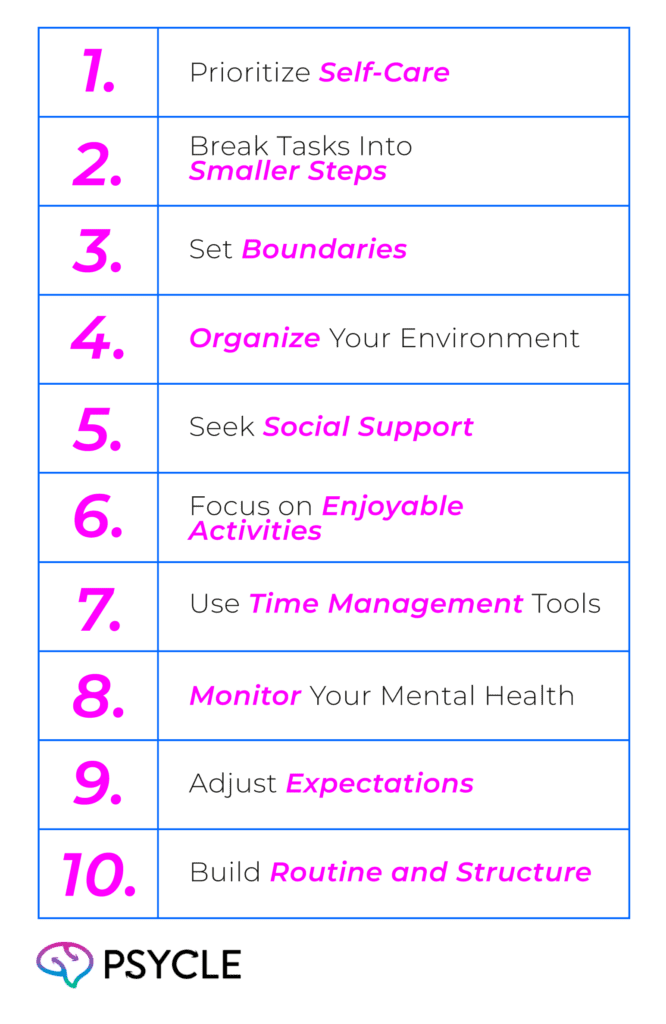
Several strategies can help you manage the feeling that life is a chore. These approaches focus on restoring energy, structure, and motivation.
1. Prioritize Self-Care
Focus on sleep, nutrition, and physical activity. Sleep directly affects energy and concentration. You could try taking supplements like magnesium and ashwagandha to improve sleep. Getting enough daylight during the day, especially in the morning, can also help improve sleep quality.
When it comes to nutrition, eating balanced meals with plenty of fruits and vegetables can support all the chemical processes in your body and brain that help with energy, motivation, and wellbeing. Getting enough water is also essential.
Physical activity, even light exercise like walking or stretching, can improve mood and motivation, as well as your quality of sleep.
2. Break Tasks Into Smaller Steps
Divide chores into smaller, manageable steps. Completing one step at a time reduces stress and increases motivation. Keep a list of tasks and check them off as you complete them. This approach prevents feeling overwhelmed by large projects and shows visible progress.
3. Set Boundaries
Learn to limit tasks that drain your energy and say no to extra responsibilities when possible. Protecting time for rest and recovery helps prevent burnout. If you find it hard to assert your boundaries, you can start small by setting one clear limit at a time and sticking to it.
With practice, you build confidence, and saying no becomes a way to respect your own needs rather than something to feel guilty about.
4. Organize Your Environment
Declutter spaces where you spend time. Keep commonly used items in easy-to-reach places, and store less important things away so they’re out of sight. Having a spring clean and getting rid of unnecessary items can also help.
You may consider even changing your environment. Being close to a window can help improve energy by increasing your exposure to natural sunlight. You should also avoid working in your bedroom, as this blurs the boundaries between work and relaxation and can make it harder to sleep.
5. Seek Social Support
Talk to friends, family, or support groups about how you feel. Expressing your feelings can help reduce mental load.
6. Focus on Enjoyable Activities
Write a list of activities that bring you satisfaction or relaxation, and try to do one of these at least twice a week. It could be something simple, like doodling, calling a friend, or baking cookies. You could also try something new and see if any other hobbies work for you. Try not to include addictive activities that increase isolation, such as scrolling on your phone.
7. Use Time Management Tools
Tools like calendars, planners, and reminders help manage responsibilities. Time management reduces the stress of keeping everything in your head, making chores feel less overwhelming.
8. Monitor Your Mental Health
Pay attention to persistent low mood, fatigue, or lack of motivation. If these feelings continue, seek help from a mental health professional. Therapy and counseling can help alleviate the mental challenge of managing everything on your own. Professionals can also work with you to build coping skills and strategies to increase motivation and prevent overwhelm.
9. Adjust Expectations
Accept that you cannot do everything perfectly or all at once. Setting realistic goals reduces pressure. Completing smaller, achievable tasks improves your sense of accomplishment and lowers stress.
10. Build Routine and Structure
Create a consistent daily routine that includes time for work, rest, and enjoyable activities. A structured schedule reduces the feeling of chaos and provides predictable patterns, making life feel more manageable.
Sources
- https://pubmed.ncbi.nlm.nih.gov/35162802/
- https://www.nature.com/articles/s41398-025-03310-w
- https://pmc.ncbi.nlm.nih.gov/articles/PMC11326346/