


Your diet affects more than your body. What you eat directly influences your brain, mood, and overall mental health. Research shows that poor nutrition can increase the risk of depression, anxiety, and other mental health issues, while a nutrient-rich diet can support cognitive function and emotional balance.
In this article, we’ll investigate the link between diet and mental health, looking at the science of how food affects the brain and the best diets to support optimal well-being.
Key Takeaways
- Poor nutrition is linked to higher rates of depression and anxiety, while nutrient-rich diets support brain function.
- Diets high in sugar, refined grains, fried foods, and processed snacks increase the risk for mental health issues.
- Nutrients like omega-3 fatty acids, B vitamins, and antioxidants support neurotransmitter production and brain health.
- Anti-inflammatory foods and a healthy gut microbiome reduce inflammation and improve mental well-being.
- Balanced, nutrient-dense diets like the Mediterranean, DASH, and MIND diets offer strong support for mental health, but individual differences matter.
Diet and Mental Health: What the Research Shows
Poor nutrition is closely linked to mental health. Research shows that people who follow traditional diets—high in vegetables, fruits, unrefined grains, and seafood—are 25%-35% less likely to experience depression compared to those who eat “Western” diets.
A typical Western diet is high in sugar and foods that are processed and refined. Such diets are also associated with an increased risk of anxiety.
As well as mood disorders, nutrition also plays a vital role in cognition and development. Studies show a strong link between malnutrition, particularly during younger years, with ADHD and autism.
How Food Affects the Brain
The brain depends on nutrients to function optimally.
These include:
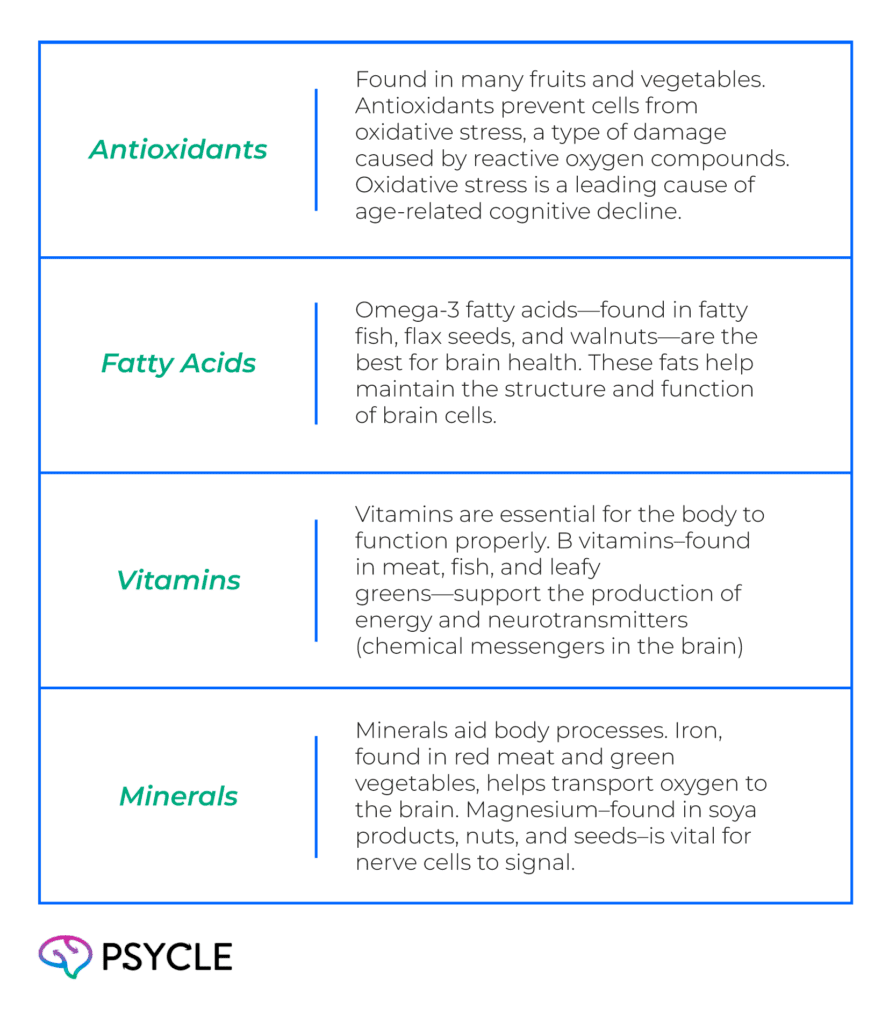
Diet and Neurotransmitters
Neurotransmitters are chemicals that allow nerve cells to communicate with each other. Many of them rely on nutrients from the diet, both for building blocks and for synthesis.
- Serotonin, which is essential for mood and sleep, is made from tryptophan, an amino acid found in protein-rich foods like eggs, chicken, and beans.
- Dopamine, which influences pleasure and motivation, is produced from tyrosine and phenylalanine, amino acids found in meat, eggs, nuts, and seeds.
- Norepinephrine, which helps regulate alertness and stress responses, is also made from tyrosine and phenylalanine.
- GABA (gamma-aminobutyric acid), which helps calm the nervous system, is produced from glutamate, an amino acid found in fermented foods like yoghurt and kimchi.
Sugar and the Brain
Sugar has a significant effect on the brain, mainly because it activates the brain’s reward system. When we eat sugar, it triggers the release of dopamine, which is why sugary foods can feel so satisfying.
Over time, however, consistently high sugar intake can desensitize dopamine receptors, meaning we need more sugar to achieve the same pleasurable sensation. This can lead to cravings, compulsive eating, and mood swings.
Eating sugary foods also causes rapid spikes in blood glucose followed by sharp drops, often referred to as “sugar crashes.” These fluctuations can leave us feeling irritable, fatigued, anxious, and mentally foggy, as the brain struggles to maintain a steady supply of energy.
In addition, high sugar intake can increase levels of cortisol, the body’s stress hormone, which may intensify feelings of anxiety or tension over time.
Inflammation and Mental Health
Inflammation is the body’s natural defense system, helping to protect against diseases caused by microorganisms. However, when it becomes prolonged, as in chronic inflammation, it can damage the brain’s cells. Chronic inflammation has been linked to a higher risk of depression and Alzheimer’s disease.
Poor diet contributes to inflammation. Processed foods, trans fats, and excessive sugar increase markers of inflammation in the body. On the other hand, anti-inflammatory foods reduce these markers and protect brain health. Examples include fatty fish rich in omega-3s, berries, leafy greens, nuts, and olive oil.
The Gut Microbiome and Mental Health
The gut microbiome is the community of trillions of bacteria and microorganisms in your digestive system. These microbes influence mental health through the gut-brain axis, a communication system between the brain and the enteric nervous system, otherwise known as the “gut brain.”
The gut plays a vital role in mood. Certain neurotransmitters are produced in the gut, relying on microorganisms for their synthesis. Gut microbes also regulate inflammation and the production of hormones associated with stress. Moreover, the brain and gut communicate via the vagus nerve, which activates a calm state of being.
The gut microbiome is directly influenced by diet. Probiotic foods such as yogurt, kefir, sauerkraut, kimchi, and miso introduce beneficial bacteria into the gut. Prebiotic foods, such as vegetables, fruits, legumes, and whole grains, provide fiber that feeds good bacteria.
Best Diet for Mental Health
Research highlights several diets that support mental health.
The Mediterranean diet is linked with lower rates of depression and cognitive decline. It includes vegetables, fruits, whole grains, fish, olive oil, and moderate dairy, creating a nutrient-rich foundation for brain health.
The DASH diet focuses on vegetables, fruits, lean protein, and low-fat dairy. It was initially designed to reduce blood pressure but has also been shown to support mental health.
The MIND diet combines aspects of the Mediterranean and DASH diets, emphasizing brain-healthy foods like leafy greens, berries, and fish. Studies show it can slow cognitive decline and support mood regulation.
While research supports certain types of food, it’s important to remember that our bodies are unique and different people will respond differently to other foods. Allergies, food intolerances, metabolism, and lifestyle all influence how well a diet works.
For instance, some people may need lots of regular meals to maintain energy, whereas for others, intermittent fasting can be highly beneficial. Certain foods may hold little nutritional value, according to mainstream science, but play a significant role in someone’s cultural heritage. Ethical issues also matter. People may refrain from eating meat and vegetables because they don’t see the nutritional benefits as worth the harm caused by farming.
If you’re interested in changing your eating habits to improve your mental well-being, try different evidence-based approaches and keep a journal of any changes you notice in your overall mood. You could also get professional advice from a nutritionist who can help determine the best diet for you.
FAQs
Which Vitamins are Most Important for Mental Health?
B vitamins (B6, B12, folate) are essential for neurotransmitter synthesis. Vitamin D supports mood regulation, and antioxidants like vitamin C and E help protect brain cells from oxidative stress.
Can a High-Sugar Diet Worsen Anxiety?
Yes. Rapid spikes and crashes in blood glucose from sugary foods can trigger irritability, nervousness, and stress. Sugar also promotes inflammation, which may affect neurotransmitter balance and worsen anxiety over time.
Sources
- https://www.health.harvard.edu/blog/nutritional-psychiatry-your-brain-on-food-201511168626
- https://pmc.ncbi.nlm.nih.gov/articles/PMC7468813/
- https://pubmed.ncbi.nlm.nih.gov/40018491/