
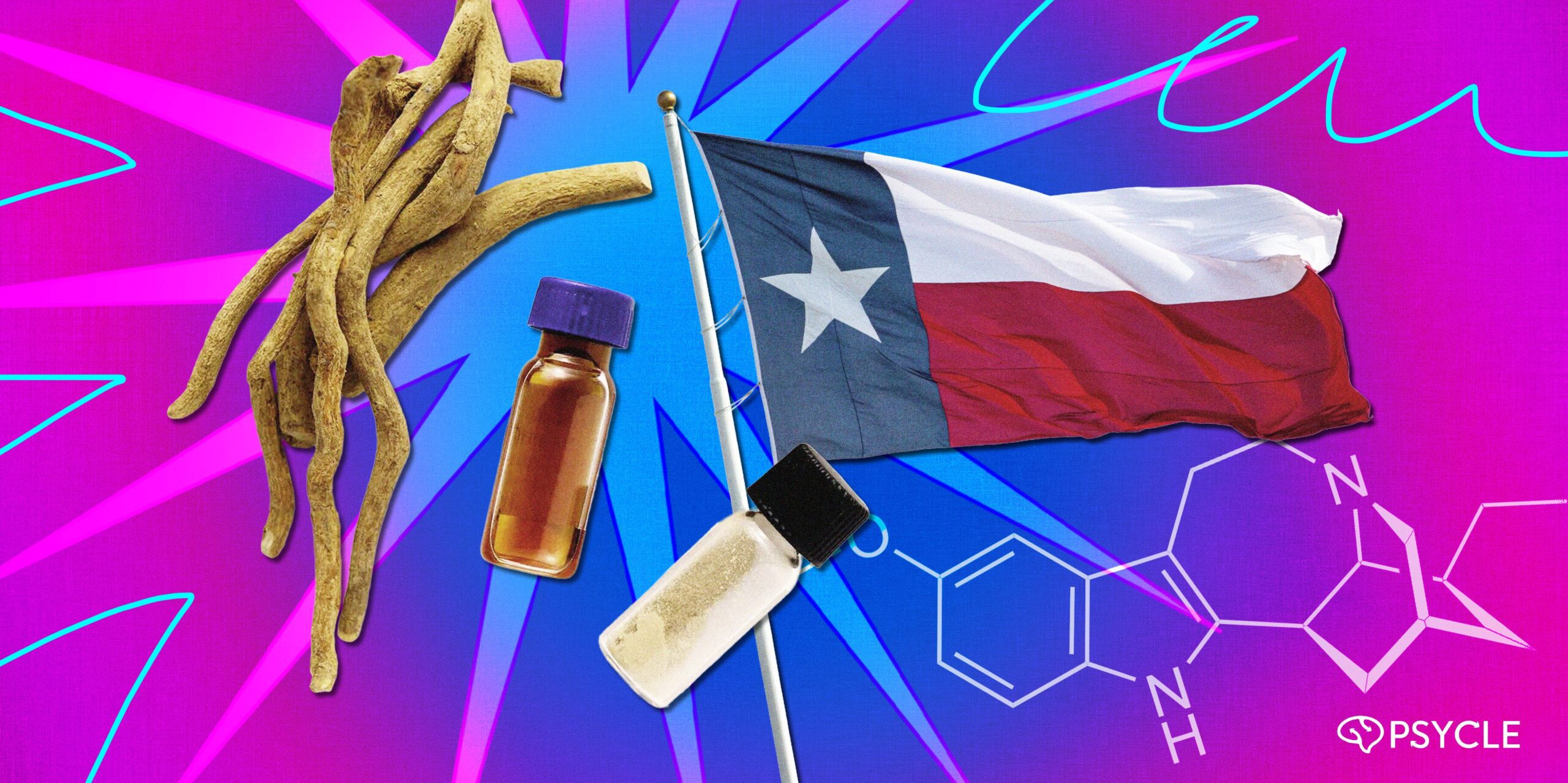

Texas has taken a significant step toward legalizing ibogaine, a novel psychedelic treatment, with a $50 million government investment in research.
This article explains what ibogaine is, its therapeutic potential, and what the future may hold for this treatment in Texas.
Key Takeaways
- Texas has invested $50 million in ibogaine research through Senate Bill 2308.
- Ibogaine comes from the iboga plant and has a long history of spiritual use.
- Clinical studies show ibogaine can help treat opioid addiction and PTSD.
- Veterans may particularly benefit from ibogaine, given the high rates of PTSD and addiction.
- Advocates like Brian Hubbard have influenced the movement toward legalizing ibogaine.
- Public opinion and research will guide how Texas implements ibogaine treatment.
Texas Government to Invest $50 Million in Ibogaine Research
The Texas government plans to invest $50 million in studying ibogaine, a compound derived from the root bark of the Tabernanthe iboga, also known as the iboga tree.
For hundreds of years, iboga has been used for spiritual and healing purposes by groups in West Africa. However, it has only recently begun to gain global popularity, as more studies and anecdotes highlight its powerful therapeutic effects. In particular, ibogaine has significant long-lasting benefits in the treatment of opioid use disorder (OUD) and post-traumatic stress disorder (PTSD).
Given the promising research so far, Texas Governor Greg Abbot signed a bill in June supporting ibogaine for mental health conditions. The bill, Senate Bill 2308, aims to support research by providing money for medical studies, clinical trials, and public information.
The investment will support Texas scientists to test ibogaine’s safety and effectiveness. With this research, the Texas government hopes that the FDA will approve an ibogaine-based drug, from which they will receive at least 20% of the profits.
In addition, the bill will support programs working with veterans and other groups affected by OUD and PTSD. A quarter of revenue from successful ibogaine-based drugs will be allocated to a state veteran fund.
What is Ibogaine?

Ibogaine is derived from the root of the iboga plant, a shrub native to the regions of Gabon and the Congo. It’s a central part of the Bwiti tradition, an indigenous group that uses iboga for spiritual healing and connection.
Iboga’s main psychoactive compound is ibogaine, which is responsible for inducing psychedelic experiences. These are characterized by deep introspection and have been likened to a “waking dream.”
French explorers brought iboga from Gabon to Europe in the early 1900s. Scientists isolated ibogaine from the plant and first sold it in France as a stimulant. Researchers later saw that higher doses of ibogaine reduced cravings and eased withdrawal in people with opioid addiction. Since then, many studies have examined how well ibogaine works for substance use disorders and other mental health conditions.
Research shows that ibogaine raises levels of neurotrophic factors, which are proteins that help nerve cells grow and repair. Because of this, scientists have also tested ibogaine for the treatment of traumatic brain injury (TBI) and are interested in its usefulness for Parkinson’s disease.
Ibogaine for Veterans
Veterans experience higher rates of addiction and PTSD than the general population. Studies estimate that around 7% of veterans struggle with PTSD, and many also face opioid or alcohol addiction. Those who have served in combat are also more likely to suffer from TBI.
As such, there’s been a tremendous amount of interest in using Ibogaine to help veterans. In one study, veterans reported average reductions of 83% in PTSD symptoms and 85% in depression symptoms one month after ibogaine treatment.
Given the potential benefits, veterans have sought ibogaine treatment in clinics in Mexico where the drug is legal. Many have reported life-changing results, which, along with research, have spurred advocacy for the legalization of ibogaine in the US.
Brian Hubbard and the Kentucky Initiative
Bryan Hubbard is an advocate who worked to legalize ibogaine in Kentucky. He led an initiative that garnered attention for demonstrating how states could support research and safe access to ibogaine.
Hubbard’s proposals to fund ibogaine research were denied, and he lost his position during the effort. However, he laid the groundwork for advocacy in other states. Hubbard founded the American Ibogaine Initiative (AII) and partnered with former Texas Governor and U.S. Secretary of Energy Rick Perry.
Texas has the highest number of veterans compared to any other US state, with an estimated 1.4 million veterans residing in the state as of 2024. This density of veterans makes ibogaine research particularly relevant to those living in Texas.
What Will Happen Next?
Texas’s ibogaine program will be run through a consortium of universities, hospitals, and drug developers, including two of the state’s major medical schools and research facilities in Austin and Houston.
Going forward, many are excited about the prospects of ibogaine being made legally available, yet public opinion remains mixed. Some people support exploring ibogaine, while others raise concerns about safety, regulation, and clinical oversight.
FAQs
Is Ibogaine Dangerous?
Ibogaine carries significant medical risks. Serious complications can include heart rhythm disturbances, seizures, respiratory issues, and, in rare cases, death. These risks are higher for people with underlying heart conditions, liver problems, or those taking certain medications. Because of these dangers, ibogaine should never be used without comprehensive medical screening.
Where is Ibogaine Currently Legal?
Ibogaine’s legal status differs widely from one country to another. In the United States, it is illegal and classified as a Schedule I substance. Some countries, however, allow its use under medical supervision. In New Zealand and South Africa, ibogaine is tightly regulated in clinical settings. In several others, such as Mexico or Brazil, it is not specifically scheduled, which has allowed clinics to operate
Sources
- https://legiscan.com/TX/bill/SB2308/2025
- https://www.texastribune.org/2025/06/11/texas-psychedelics-ibogaine-treatment-addiction-rick-perry-funding/
- https://www.hhs.texas.gov/services/mental-health-substance-use/mental-health-substance-use-resources/ibogaine-clinical-trials