
TMS · FDA-cleared · Pacific Northwest, CA
A drug-free treatment for depression that hasn't responded to medication
If antidepressants haven't worked, you're not the problem. You might just need a treatment that works in a different way. TMS (transcranial magnetic stimulation) uses gentle pulses to reawaken the brain networks that your depression subdues. Twenty minutes at the clinic. No sedation. And you can drive yourself home.







What is TMS?
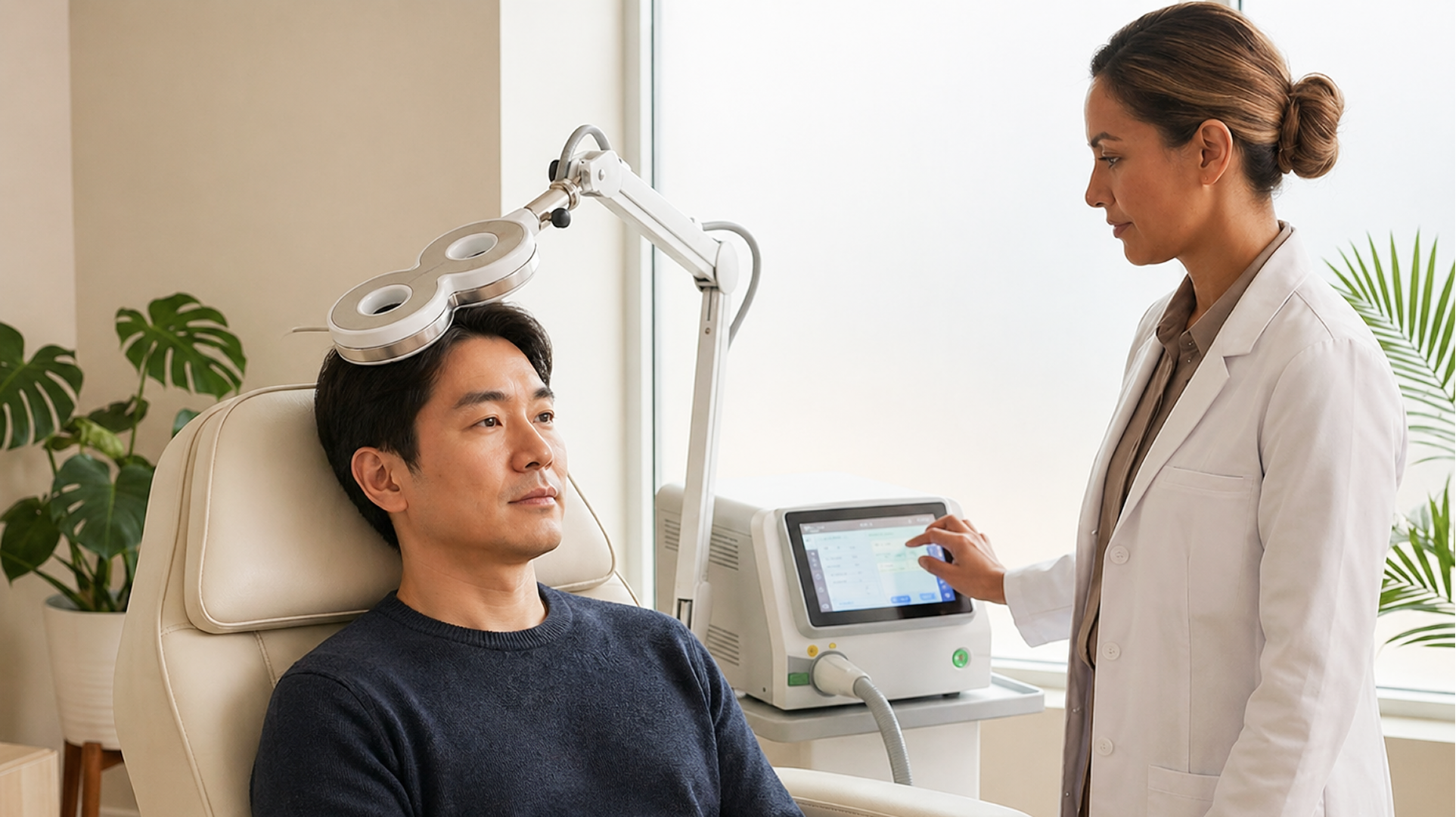
TMS, short for transcranial magnetic stimulation, is a treatment for depression that uses gentle magnetic pulses, similar to those in an MRI scan, to reactivate the part of the brain that depression has quieted. The FDA first cleared TMS in 2008 for adults whose depression hadn't responded to a medication. You sit in a chair in the clinic, the device rests against your head, and a session takes about 20 minutes. TMS is the only depression treatment in mainstream use that targets a specific area of the brain without putting any drug in your bloodstream.
- FDA-cleared since 2008
- Covered by most major insurance
- Free eligibility & insurance check
- Real human follow-up


How TMS works
A magnet that awakens a dulled circuit.
Depression is often associated with reduced activity in one specific area of the brain; the left dorsolateral prefrontal cortex, or DLPFC. That's the region that helps regulate mood and decision-making. TMS delivers focused magnetic pulses to that exact spot. Over a series of sessions, the pulses gradually increase activity in the circuit that depression had subdued. Think of it as targeted physical therapy to enliven an underactive brain region. Antidepressant pills are systemic. They work through the bloodstream and affect the whole body, which is part of why side effects like weight gain, sexual side effects, and emotional blunting are common. TMS targets one specific spot. The rest of your body isn't dosed. That's why many people who can't tolerate regular antidepressants tolerate TMS well, and why a course can work when months of medication trials haven't.
Am I covered?What the research shows
The numbers behind TMS.
These figures offer a realistic understanding of what to expect from TMS. It can be a gamechanging option for many people whose depression hasn't responded to medication, with a different side effect profile from antidepressant meds. While TMS doesn't come with a promise of effective depression relief for everyone, it is a targeted approach that engages a specific brain region that depression affects.

>60%
of patients with depression that hadn't responded to medication had a clinically meaningful response after a course of TMS.
Carpenter et al., open-label naturalistic outcome study

∼33%
reached remission, meaning their symptoms dropped to a level a clinician would no longer call depression.
Carpenter et al., open-label naturalistic outcome study

20 min
is the length of a standard session. No anesthesia, no sedation, no recovery time. And you can drive yourself home.
Standard outpatient TMS protocol

2008
is when the FDA first cleared TMS for adults whose depression hadn't responded to medication.
U.S. Food and Drug Administration
The numbers are useful, but they're not telling your story. The only way to know if TMS could work for you is to check the basics against your needs and circumstances.
Take the 30-sec quizWho TMS is for
Two FDA clearances. Two specific groups.
Depression that hasn't responded to medication
If you've tried at least one traditional antidepressant at the right dose for the right amount of time without enough relief, TMS may be cleared for you. Most insurance approvals want documentation from you of one or two trials. Depression is most common reason people are referred for TMS. Psycle will help with your paperwork when you apply.
OCD (with a deeper type of TMS)
In 2018, the FDA also cleared a deeper form of TMS for adults with obsessive-compulsive disorder. The protocol targets a two brain circuits, with a longer course than TMS as a depression treatment.
Research suggests TMS may also help anxiety and PTSD, though those uses are off-label and under research.


Who TMS is not for
- Anyone with metal implants in or near the head, like aneurysm clips, cochlear implants, or implanted brain stimulators (dental fillings are fine)
- People with a history of seizures or epilepsy
- People with certain types of brain lesions or active brain tumors
- Anyone who hasn't yet talked with a psychiatrist about their depression history (a brief screening visit comes first)
What to expect
Your treatment at a partner clinic near you.
TMS is always given in the clinic, with supportive human care. There's no at-home version of medical-grade TMS, and the staff who run the device are trained on it.
Your TMS mapping session
Your first visit at the partner clinic is the mapping session. A licensed provider reviews your treatment history, then calibrates the device to your motor threshold ~ the lowest dose that produces a tiny finger twitch. That number sets your treatment dose, so the rest of the course is matched personally to you, not a generic average.
During a TMS session
You sit in a comfortable recliner. The TMS device rests against your scalp on the left side of your head. It delivers pulses in short bursts ~ usually 4 seconds on, 11 seconds off ~ for about 20 minutes. Most people read, listen to music, or chat with the technician. There's no sedation. When the session is done, you stand up, walk out, and drive yourself wherever you're going next.
Your treatment timeline
A standard TMS course is 36 sessions: five days a week for six weeks, then a brief taper over weeks seven to nine. Many people start to notice a shift around week three or four. Some clinics also offer accelerated schedules that compress the same total dose into one or two weeks.


Insurance & cost
We'll handle your paperwork & process, together.
TMS is covered by most major insurance plans for adults whose depression hasn't responded to medication, including most commercial plans and Medicare. Insurance usually wants to see documentation of failed antidepressant trials before approving ~ that step is called prior authorization. Psycle Health and your partner clinic handle that approval for you. We'll always check your benefits, prepare your paperwork, and tell you exactly what your out-of-pocket cost will look like before your first session.

Most coverage plans
Commercial and Medicare cover TMS for depression with prior authorization
1 - 2 weeks wait
Typical insurance approval turnaround

Free
Benefits check and clinic matching at no cost
Without insurance, a full TMS course is several thousand dollars out-of-pocket. Always consider all available options for your insurance coverage, with Psycle's help. If your plan denies coverage, our team can help you appeal.
In their words.

"I've been dealing with this for so long and nothing has ever worked. Hearing that there's something that can actually help, and fast, I don't know, it just makes me feel like maybe things can actually get better. This is the first time I've felt hopeful in a long time."
Ella, Age 31


"I've been suffering for so many years. I'm sorry, I don't mean to get emotional I just can't remember what it feels like to be motivated or inspired and this treatment sounds hopeful. I'm so grateful I answered the phone."
Gavin, Age 29

"I literally could cry right now, I'm so excited to just try and see if SPV Therapy works. I'm just so sick of nothing working; it sucks, and it's hard to get people to understand what you're going through because they just don't. Thank you so so so much, I appreciate you, you might've just changed my life."
Christina, Age 35

"I didn't know it was possible for me to receive something for my TRD. I always thought something was wrong with me or I was taking the medication wrong. I’m in tears knowing there’s something out there for me to try to be happy again."
Mike, Age 32

"This treatment has changed my life. I have really seen the difference and so has my family. After years of struggling, I'm finally off all of my psychiatric medications that were causing more harm than any good they were providing. I'm so grateful I took a risk and clicked the facebook ad I saw!"
Destiny, Age 38
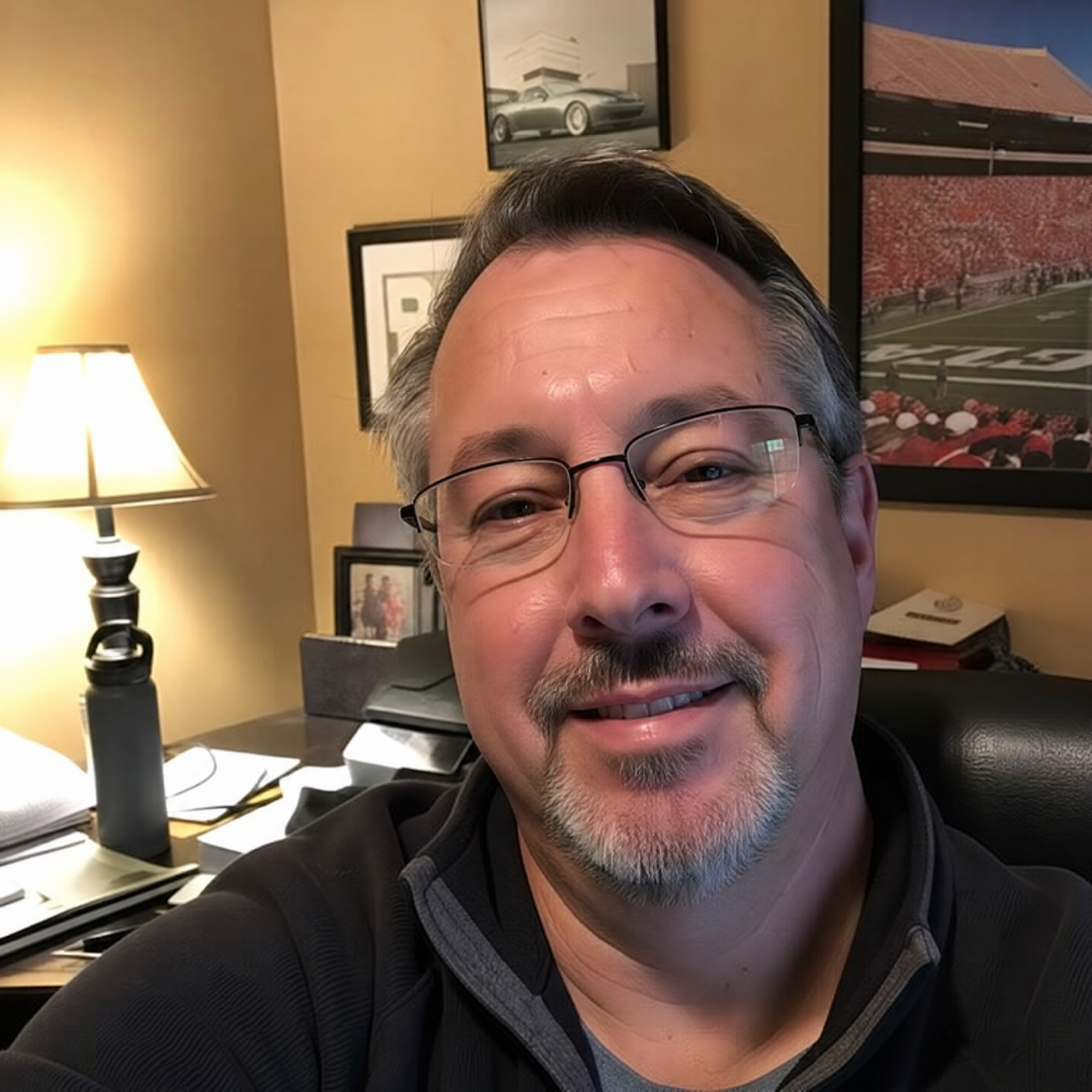
"I sat in that chair for an hour and came out with thirty years of junk cleared out of my head. That, to me, was a miracle. I haven't felt this good in probably three decades. It works. You can go from feeling like trash to feeling normal in the span of two hours. If you're on the fence, don't be. They'll treat you well, and you'll feel amazing when you leave."
Doug M.




Ready to get support?
- No commitment
- Real humans
- Free verification
- HIPAA-compliant
How to get started
We've made it as simple as we can.
01
Check
Take the 30-second quiz so we can confirm the basics and check your insurance for free.
02
Consult
Free 15-minute call with a Psycle Health care coordinator to confirm fit and match you to a partner clinic.
03
Map
First clinic visit calibrates the device to your motor threshold, so the dose is matched to you.
04
Treat
Five 20-minute sessions a week. You sit in a chair, listen to music, and drive yourself home.
05
Taper
Sessions step down over the final weeks as response consolidates. Most people return to a normal week well before that.

Frequently asked questions about TMS.
Yes. TMS has been FDA-cleared for adults with depression that hasn't responded to medication since 2008. Deep TMS was also cleared for OCD in 2018. It's been used in over a million sessions across the United States.
Most people describe a tapping sensation on the scalp during pulses. Some feel mild discomfort or a brief facial twitch in the first few sessions, which usually fades as you get used to it. There is no sedation. You'll be fully awake during your session and you can read, listen to music, or talk with the technician.
Traditional antidepressants work through the bloodstream and affect the whole body, which is part of why side effects like weight gain, loss of libido, and emotional blunting are common. TMS targets one specific area of the brain with magnetic pulses, so the rest of your body isn't dosed. Many people who can't tolerate pills tolerate TMS well.
Many people start to notice a shift around the third or fourth week of the six-week starting phase. Full response usually emerges as treatment progresses. Your psychiatrist will track symptom scores along the way so you can see what's actually moving.
A standard course is about 36 TMS sessions, given five days a week for six weeks, then a brief step-down. Some clinics also offer accelerated schedules that compress the same total dose into one or two weeks for select patients.
Yes. TMS doesn't use any sedation or anesthesia, so you drive yourself in, relax during your session, and drive yourself out. Most people go straight back to work or normal activities the same day.
Most major commercial insurance plans and Medicare cover TMS for depression that hasn't responded to medication. Insurance usually wants to see documentation of one or two unsuccessful antidepressant trials before approval. Psycle Health and the partner clinic nearest to you will handle the prior authorization paperwork for you and confirm what your specific plan will cover before your first session, at no cost.
TMS uses focused magnetic pulses while you sit awake in a chair. ECT (electroconvulsive therapy) uses an electrical current under general anesthesia and is given in a hospital setting. TMS has no memory side effects and no recovery time. ECT remains an option for severe depression cases that need a stronger response.
The most common side effect people report from TMS treatment is mild scalp discomfort or a headache around the treatment site, which usually fades after the first week. Some people get a brief facial twitch during pulses. Seizure is a rare but serious risk; published rates are well under 0.1 percent. Your provider will go through the full safety picture with you.
We'll tell you honestly if TMS is not a good fit for you, and always suggest other options. Many people who aren't a fit for TMS are good candidates for SPV treatment, an FDA-approved nasal spray for depression that hasn't responded to medication. Our quiz will point you toward the option that actually fits, and our care team can help you clarify your choice.
Take the 30-second quiz at the top of this page. If you qualify, Psycle Health checks your insurance for free and books a consultation with a psychiatrist at a partner clinic in your city. From quiz to first appointment usually takes less than two weeks.
You haven't run out of options. You may just not have been offered the right ones yet.
Take the 30-second quiz. We'll tell you honestly whether TMS is a real option, verify your insurance for free, and ~ if you qualify ~ book a consultation at a partner clinic near you.