
SPV · TMS · Arizona, AZ
For women, “it's probably hormones" isn't a diagnosis.
You've heard it from two doctors now, somewhere between the cycle tracking app with no answers and the antidepressant that didn't work. Meanwhile, you're crying in the car, snapping at people you love, losing words mid-sentence in a meeting you're more than ready for. The depression is real, whatever helped trigger it. SPV and TMS work through different pathways than the pills you've tried. Depression rarely looks like sadness, which is why yours may have gone unrecognized in a woman who's holding it all together on the outside.







Why these treatments work
Why you haven't felt better after first-line treatments
Both depression and perimenopause can happen to you at once, and often interrelate. Here's why SPV and TMS can work to help you feel like yourself again.
Different pathway
TMS and SPV exist because researchers went looking beyond serotonin.
Real and biological
A hormonal trigger doesn't make the depression less legitimate or less treatable.
Built for treatment resistance
One pathway, tried repeatedly, on a brain whose chemistry is mid-transition, is a mechanism problem, not a failure of effort.
A different set of tradeoffs
Neither layers systemic side effects onto a body already renegotiating its chemistry.
A defined course
Unlike the open-ended prescriptions you've cycled through, a course here has a shape and an end date.
Your whole history matters
Matching accounts for hormone therapy, whether you're on it, were denied it, or aren't interested in it.
A different way to treat depression
TMS and SPV are two FDA-backed treatments for depression that don't ask you to add another daily pill to what perimenopause has already piled on. TMS uses gentle magnetic pulses, similar to an MRI, aimed at the brain region depression quiets; no drug enters your bloodstream. SPV works on glutamate, a different brain chemical than the serotonin system your previous prescriptions may have targeted. It's not another daily pill; sessions happen at a certified clinic, tapering over time.

- FDA-approved or FDA-cleared, not experimental
- Delivered in-clinic, under a psychiatrist's supervision
- Built for women who've tried two or more antidepressants without adequate relief
- A defined course with an end date, not an open-ended prescription





How SPV and TMS work
TMS uses gentle magnetic pulses, similar to an MRI, aimed at the specific brain region that depression quiets. This is a non-pharmaceutical option, so no systemic side effects layer onto a body already renegotiating its chemistry. SPV is a medication that works on glutamate, a different brain chemical than the serotonin system your prior prescriptions targeted. Many people feel the shift within days rather than weeks.
Key stats & research

60%+
Of patients whose depression hadn't responded to medication had a clinically meaningful response after a course of TMS.
https://pmc.ncbi.nlm.nih.gov/articles/PMC12721854/

33%
Of TMS patients reached remission, meaning symptoms dropped below the level a clinician would call depression.
https://pmc.ncbi.nlm.nih.gov/articles/PMC12721854/

21.4 points
Average drop in depression severity scores (MADRS) after four weeks of SPV plus a new oral antidepressant, with a measurable difference at 24 hours.
https://www.ajmc.com/view/transform2-results-on-esketamine-published-along-with-caveats

40% higher risk
Of depressive symptoms and diagnosis for perimenopausal women vs. premenopausal women.
https://www.sciencedaily.com/releases/2024/05/240501091701.htm
What we offer
Two FDA-Backed routes to thriving.
A nasal spray that can work fast
SPV acts on the glutamate system. This is a different brain pathway than used by SSRIs. In the original studies, an effect on depression was measurable within 24 hours. Sessions happen in-clinic with two hours of monitoring care. • FDA-approved since 2019 • In-clinic, 2-hour visit • Twice weekly × 4 weeks, then possible maintenance sessions
Depression treatment using magnets.
TMS is a non-invasive physical therapy using gentle magnetic pulses to reawaken the brain region depression can dull. No drugs, no sedation, and no recovery time. Sessions are about 20 minutes and you drive yourself home. • FDA-cleared since 2008 • ~20 min, drive yourself home • 5 days a week × 6 weeks, then taper
You don't need to choose between SPV and TMS today. Your psychiatrist will help you weigh each approach against what you're experiencing, and find the right option during your free evaluation, based on your history and your goals.

 Your brain is healingYour brain is healing
What to expect
The evaluation
About 45 to 60 minutes with a licensed psychiatrist, plus a brief intake call beforehand to verify insurance and gather records.
A clear next step
Most people leave the evaluation with a recommendation and a starting date if they want to proceed.
No pressure
There's no obligation to start treatment after the evaluation.



Insurance & cost
We'll handle the paperwork & process, together.
Both SPV and TMS are covered by most major commercial insurance plans and Medicare for women whose depression hasn't responded to medication. Each one needs its own prior authorization. Once we've got the green light from the psychiatrist, Psycle Health and your partner clinic will handle the paperwork for whichever path you choose. We check your benefits, prepare the approval request, and tell you exactly what your out-of-pocket cost will look like before you start, at no charge.

Most plans
Commercial and Medicare cover both options with prior authorization

1 - 2 weeks
Typical insurance approval turnaround

Free
Evaluation and benefits check at no cost
In their words.
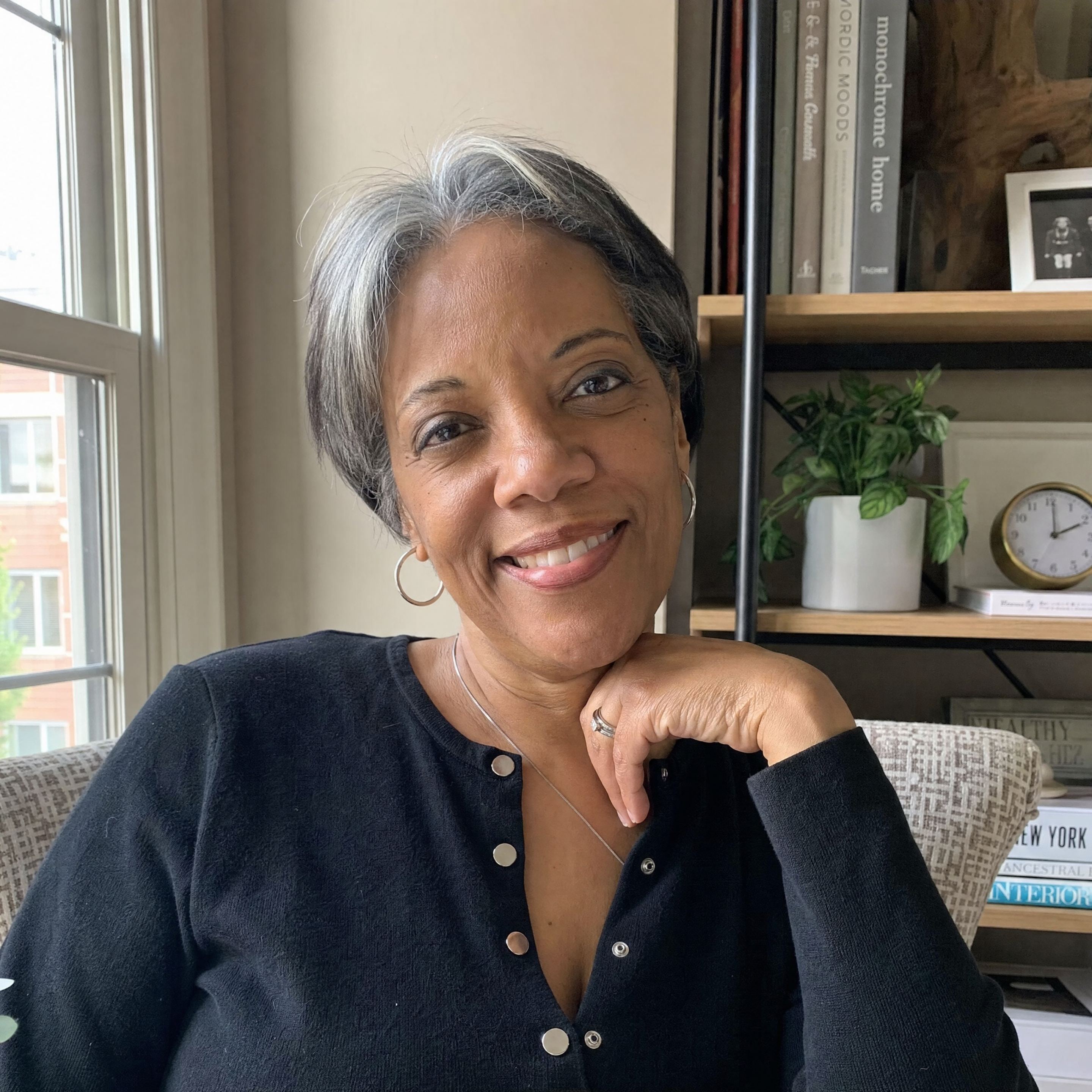
"The medication itself is wonderful, but the support around it is what really makes the difference. I've been able to continue with psychotherapy sessions after my SPV treatments, which helped me integrate everything I was learning. It's been an incredible experience, and I wouldn't go anywhere else."
Denise N.


"It was a joy I hadn't experienced in a very, very long time, maybe never. This treatment allowed my brain to let go of the worries that usually creep into even the most beautiful moments, so I could actually enjoy them. I couldn't do that before. Throughout the day I kept having these moments where I thought, this is profound. I've had a lot of good things happen to me, but I could never really feel them. Now I can."
Sonia C.
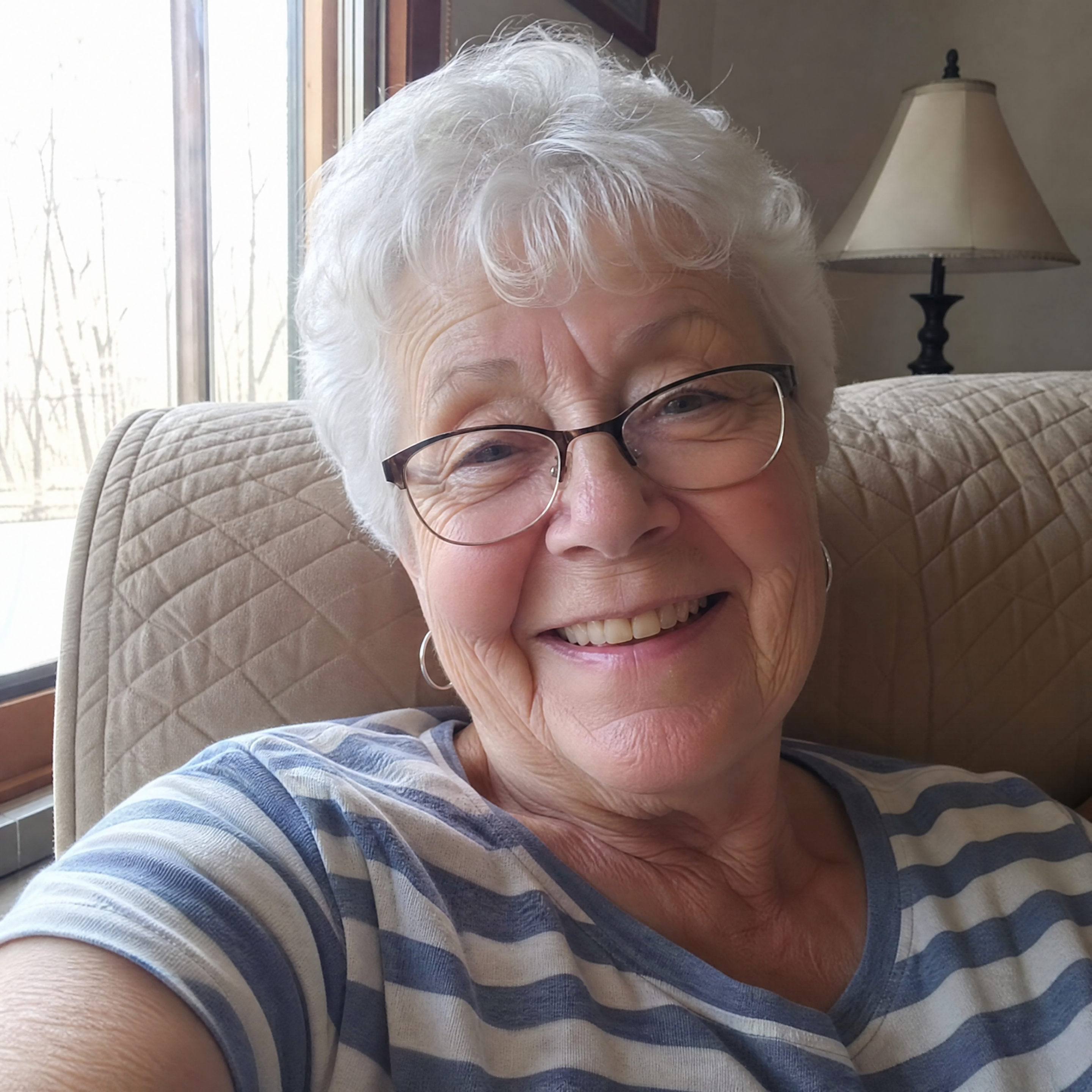
"During treatment, I found myself revisiting parts of my childhood, including people who had hurt me deeply. What surprised me was how much love and empathy I felt toward them in that moment. I actually felt sorry for them, wondering what happened to make them hurt me the way they did. It was the first time I ever felt real peace toward them."
Carol J.
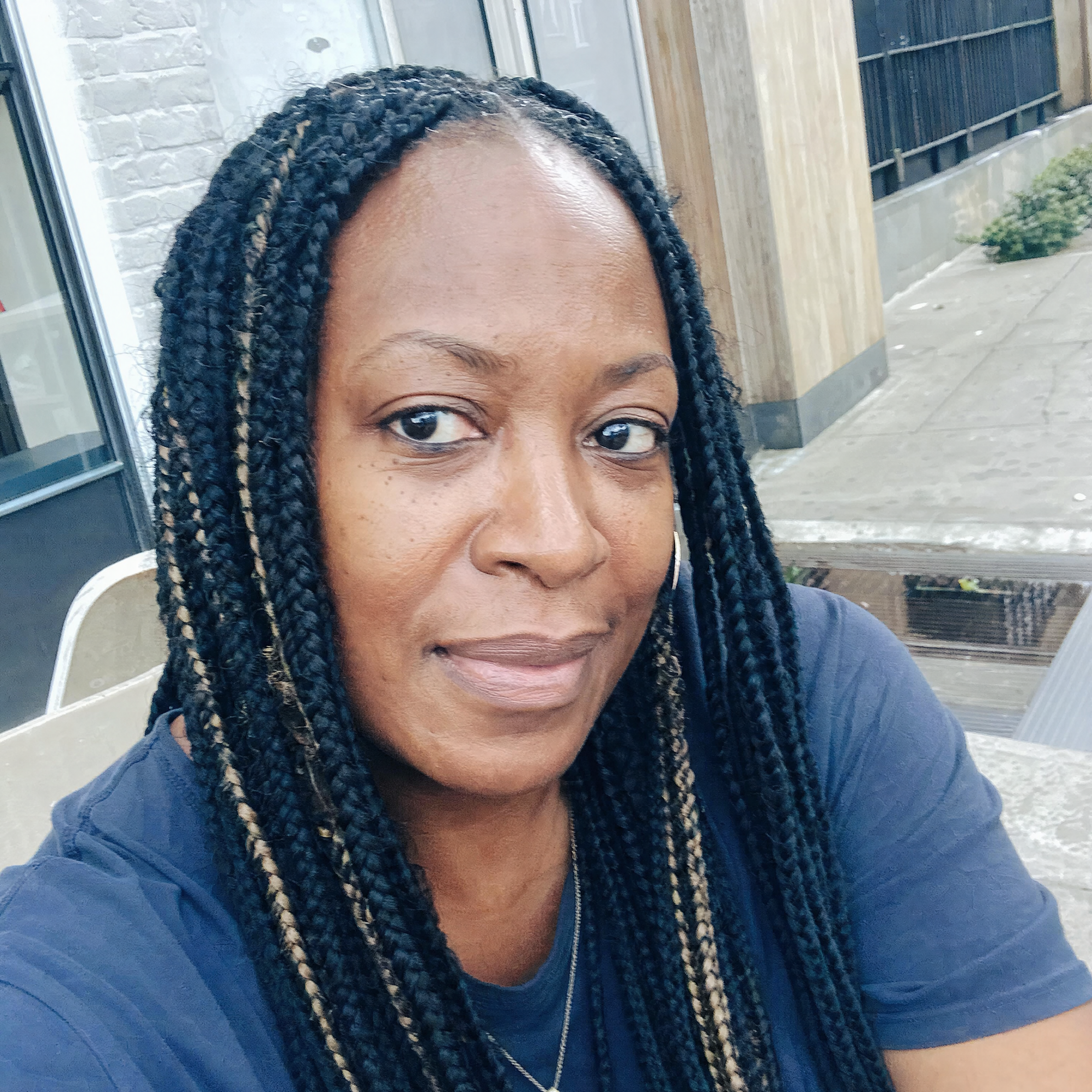
"For years I lived in fear. My anxiety never let my mind shut off. TMS feels different than you'd expect, almost like it's gently balancing your brain out. From the moment I walked in, the team made me feel supported. Now I can go to therapy, run errands, do laundry, all in the same day. Something I haven't been able to do in over twenty years."
Simone D.
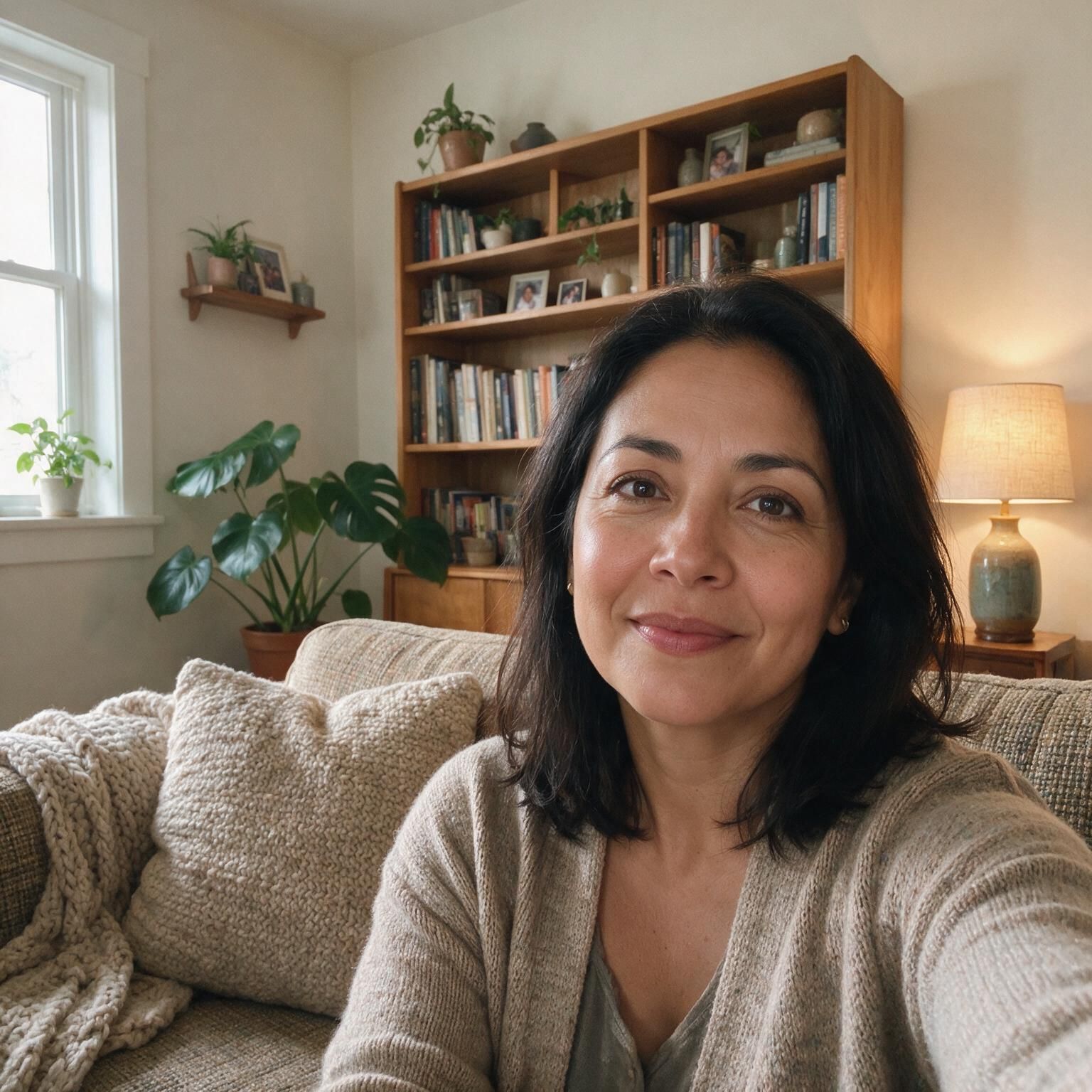
"I've been diagnosed with PTSD, and I was in a really bad place. My life had been deeply affected, and we'd exhausted so many treatment options without much relief. I heard about TMS through a radio ad, and my husband suggested we try something new. I'm so glad I took his advice. Learning that the brain can be stimulated in the areas connected to happiness gave me a completely different perspective. It really worked."
Patti, V.
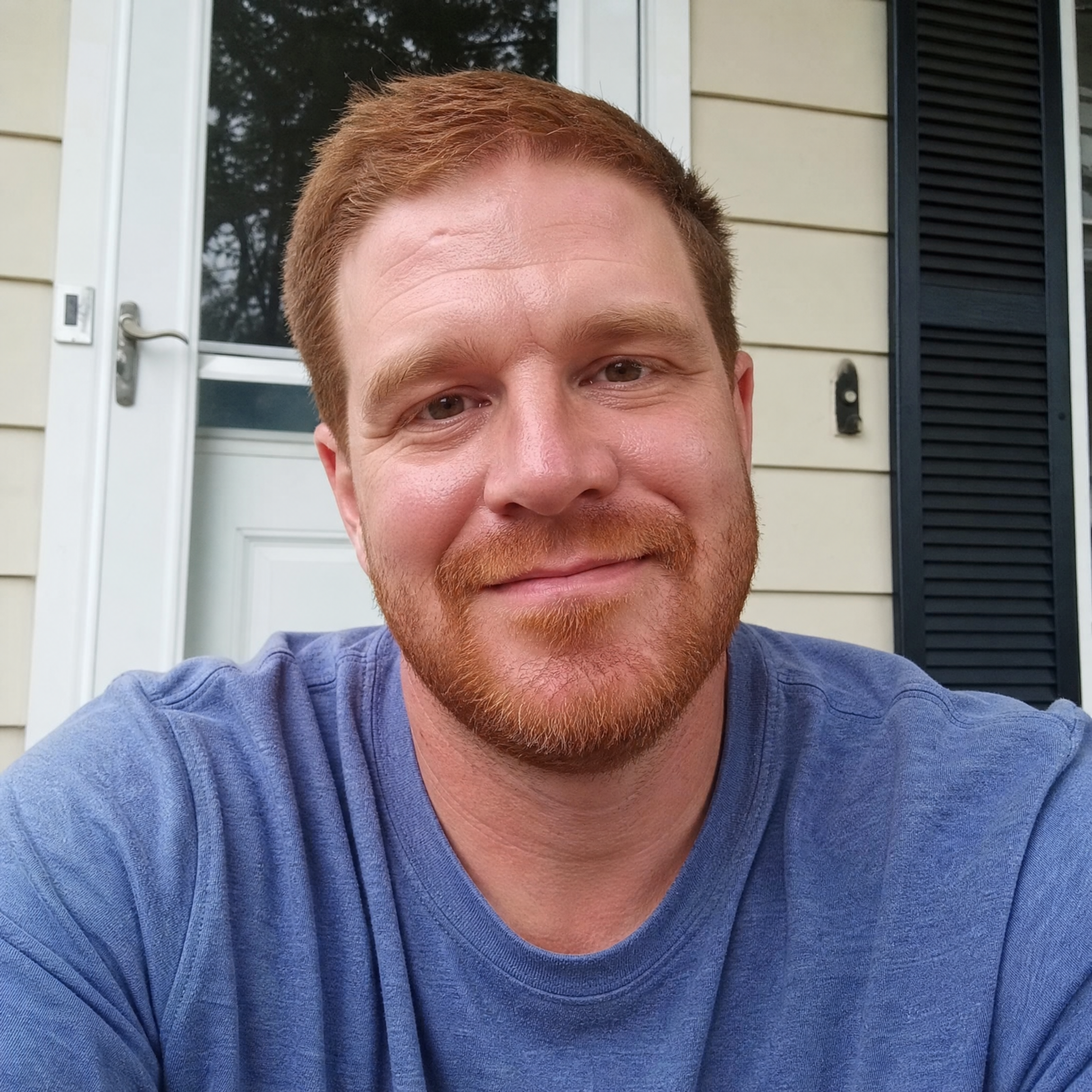
"I was in the darkest period of my life, and SPV helped me out of it. It gave me a completely different way of thinking about my problems, a new perspective. Instead of dwelling, I learned to approach things proactively and pragmatically. Now when something difficult comes up, I don't spiral, I process it and move on."
Scott T.
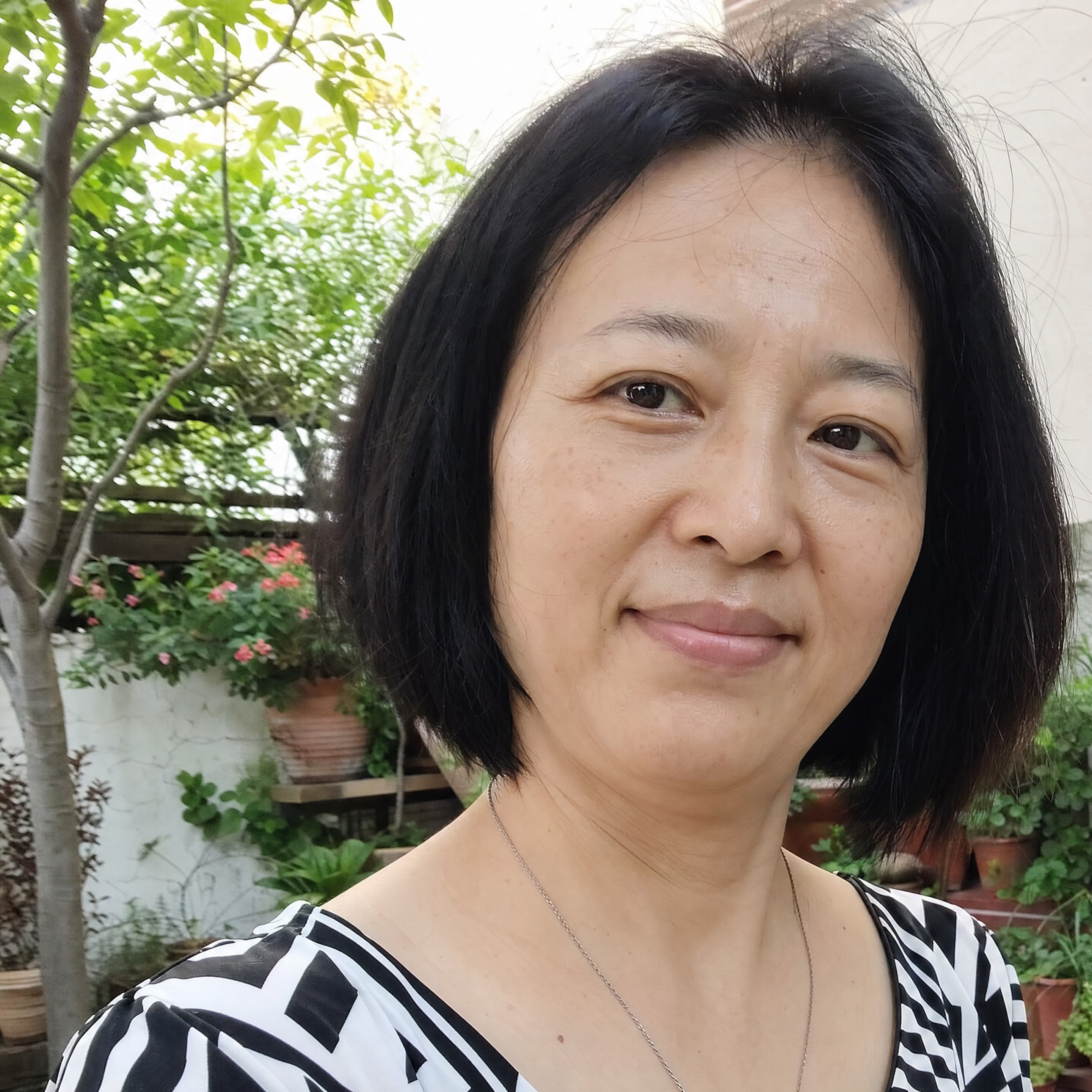
"I lived with high-functioning anxiety for about 15 years. Once I started TMS, I felt the weight lift off my shoulders. I used to be go-go-go all day, every day, everything urgent, everything now. Now I can actually sit down and enjoy the parts of life that matter."
Grace L.
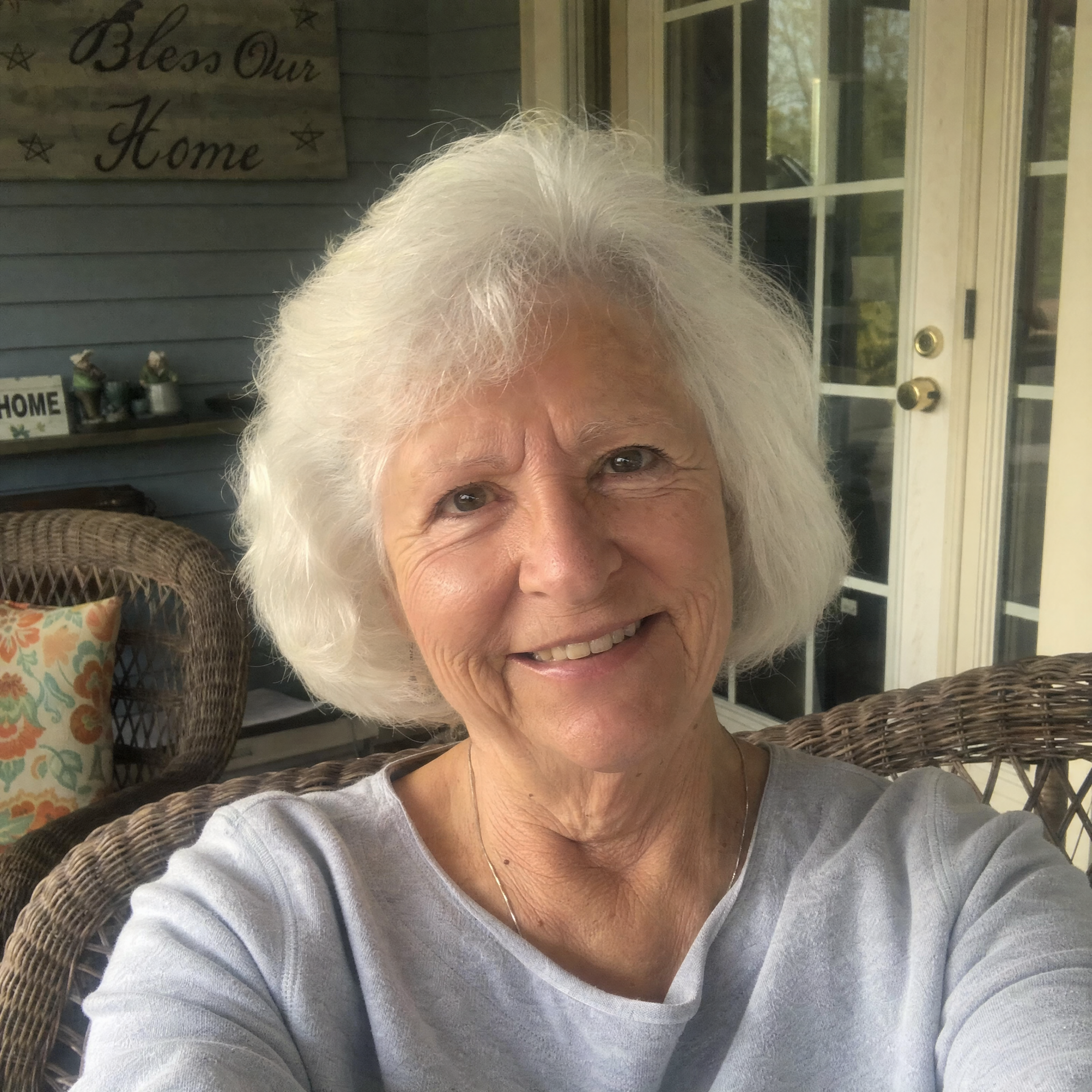
"I noticed a real difference in my behavior, my mood, my motivation. I was in a very deep depression, and medication just wasn't working. Then I found out about SPV, and it helped me move past that depression so much faster than I expected. The people caring for me were wonderful and genuinely concerned about my wellbeing. I wouldn't go anywhere else."
Judy P.
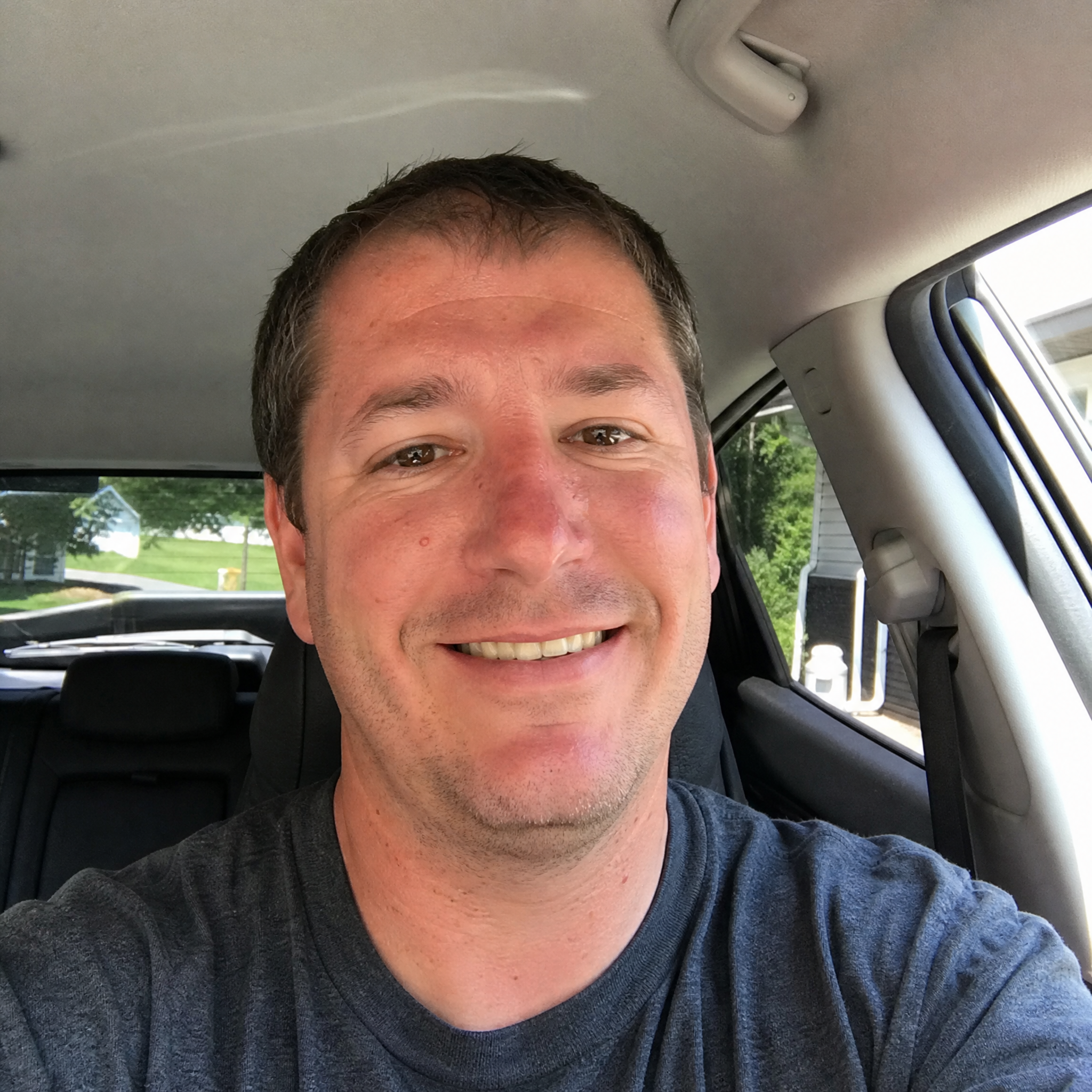
"I wasn't in a good place at all. Within 24 hours, I experienced a couple of deaths close to me and just couldn't function. I reached out for help, and was told to see a psychiatrist and get on medication. I didn't want to spend the rest of my life on a pill, so I looked for something different. From the moment I walked in, I knew I was in the right place. They made me feel comfortable, with no judgment at all, and that made all the difference. They actually care, they want to understand what's really going on, not just prescribe something. I feel like I'm finally getting somewhere, and I feel better than I have in a long time."
Brian N.

"I've completed 35 of my 36 TMS treatments, and I feel like a brand new person. I can concentrate. I can read something once instead of twelve times. I can stop working at 5pm and actually enjoy time with my family. By my second session, my mind used to race until 10pm every night. TMS gave me my focus, and my evenings back."
Elizabeth T.
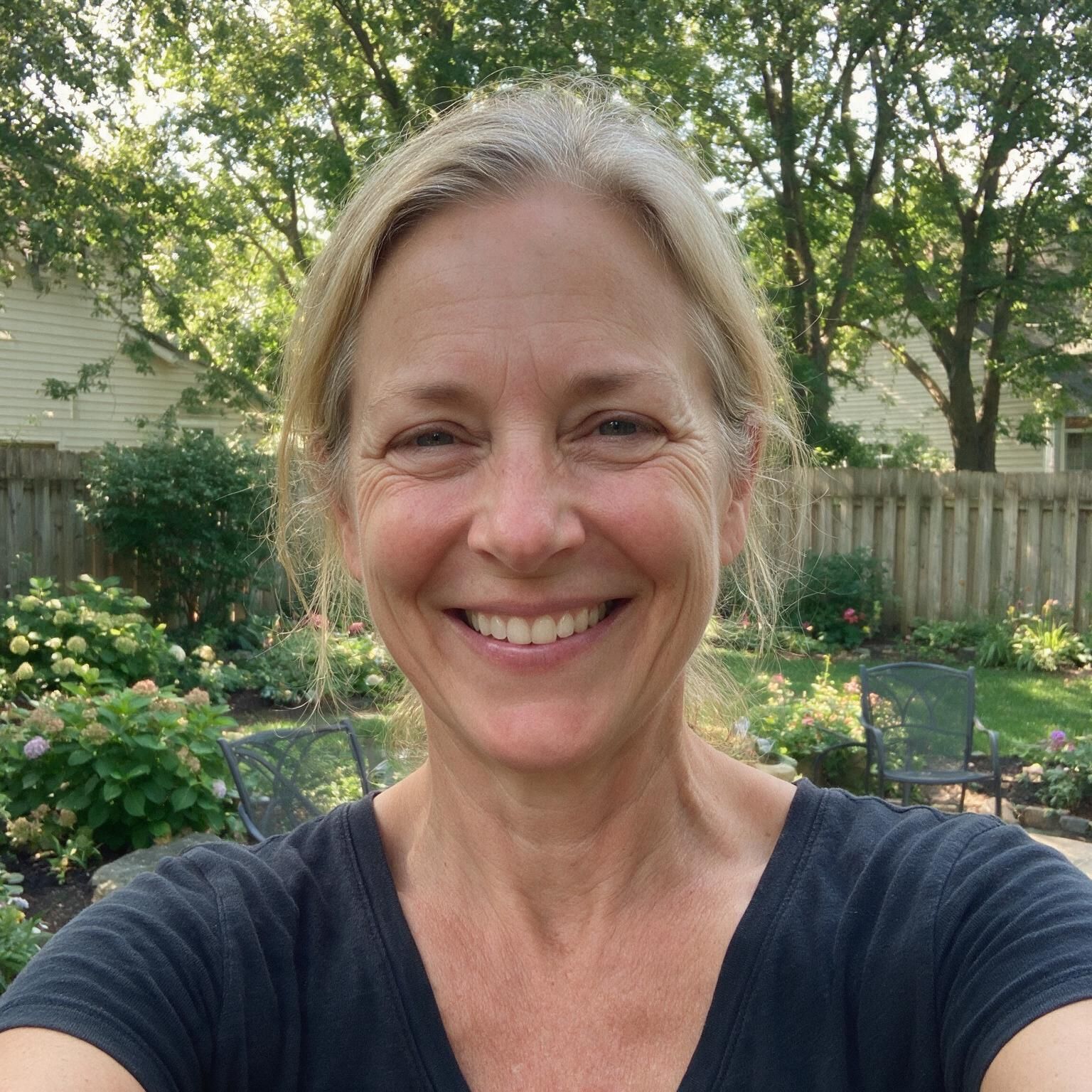
"A friend recommended SPV when I was in a really dark place. Within two weeks, I noticed a real shift, in my mood, my energy, the way I showed up every day. I was happier, more motivated, getting things done at work again. I knew something had to change, and this is what changed it. SPV gave me my life back."
Nancy T.

"The desire to drink alcohol disappeared after just my first two treatments. By my third and fourth, I noticed a real shift, I could pause instead of reacting, and my self-awareness and ability to recognize my own emotions grew so much. I'd recommend this to anyone who feels out of touch with themselves or overwhelmed by anxiety. The possibility of living without that constant weight is immense."
Rachel M.
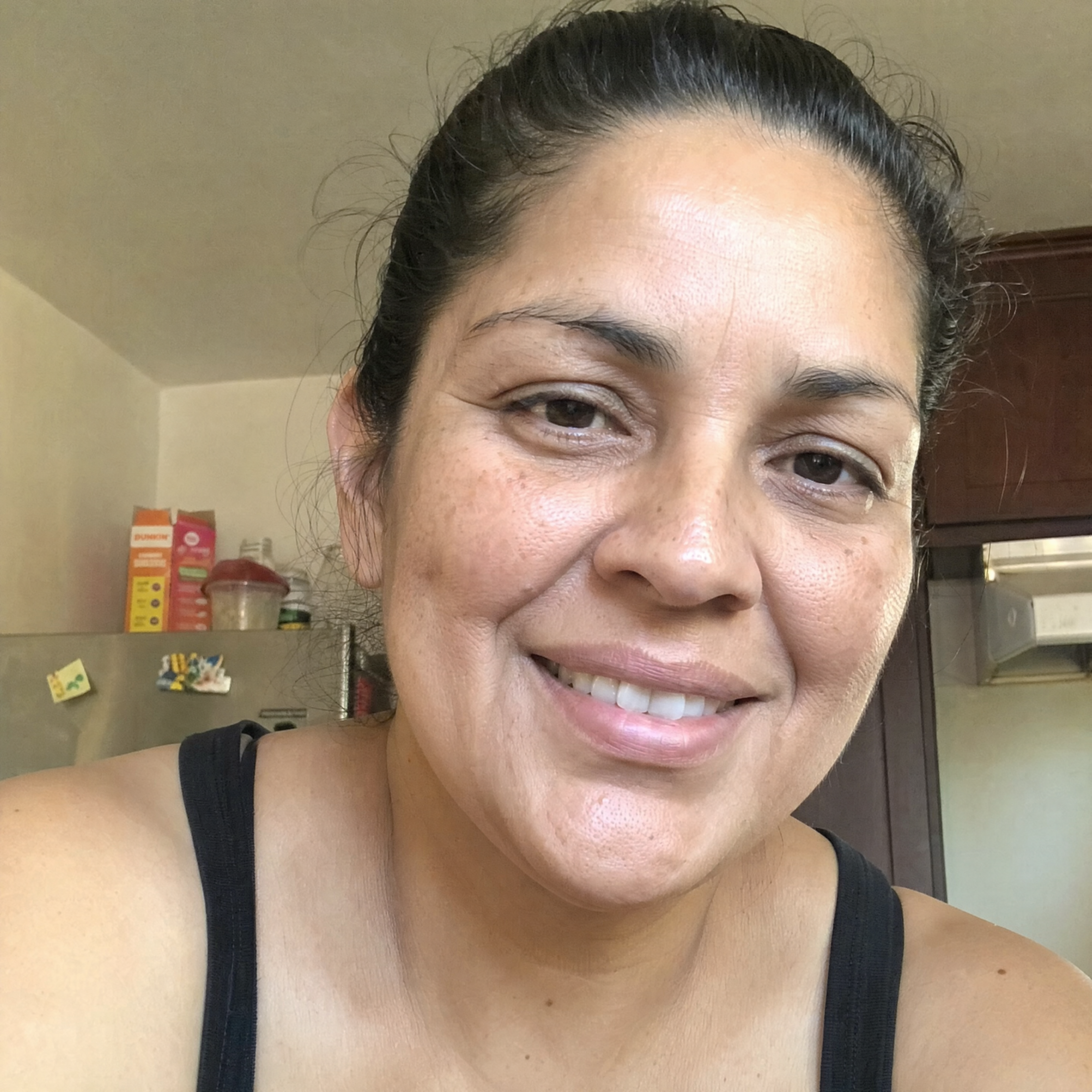
"My husband and I had both struggled with depression and anxiety for years. On the outside I looked fine, always smiling, but inside I didn't want to leave the house, didn't want to go to family functions. I finally told my husband, this is the year we do something about it. About two weeks in, I noticed a huge difference. I felt social again, like myself again. I've been in different types of therapy since I was 25, and this is the first thing that has truly worked."
Dana M.

"It has changed my life in every way. I'm a much happier person, more outgoing, and I'm finally sleeping well. It's been like a miracle. If you're struggling, give this a try. I guarantee you won't regret it."
Marcus B.
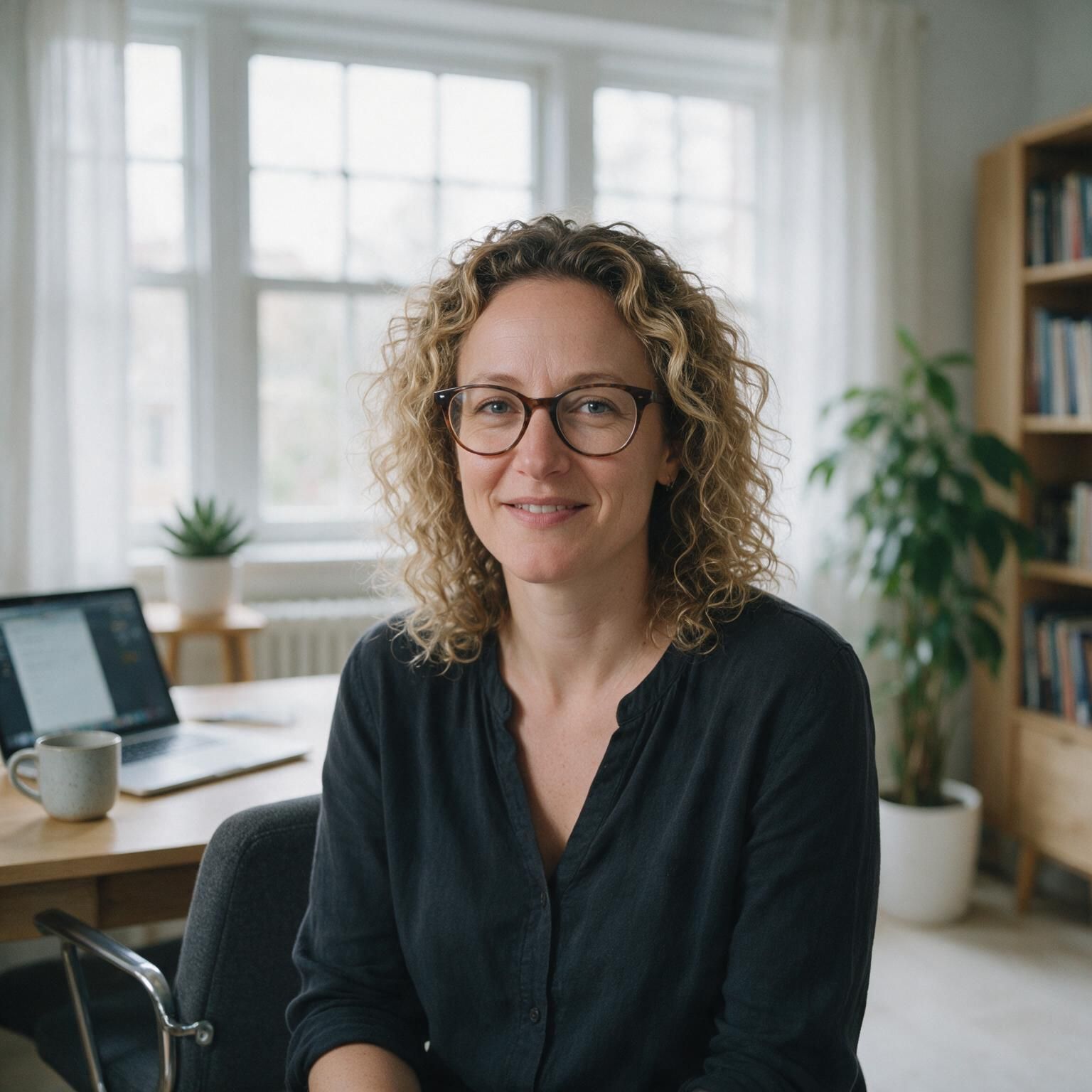
"Within two weeks, I noticed a real difference, smiling more, getting out of the house, showing up for my life again. The team makes it easy too. They respond fast and make you feel like you actually matter. I'm grateful every day. I'm simply a different person now."
Julie S.
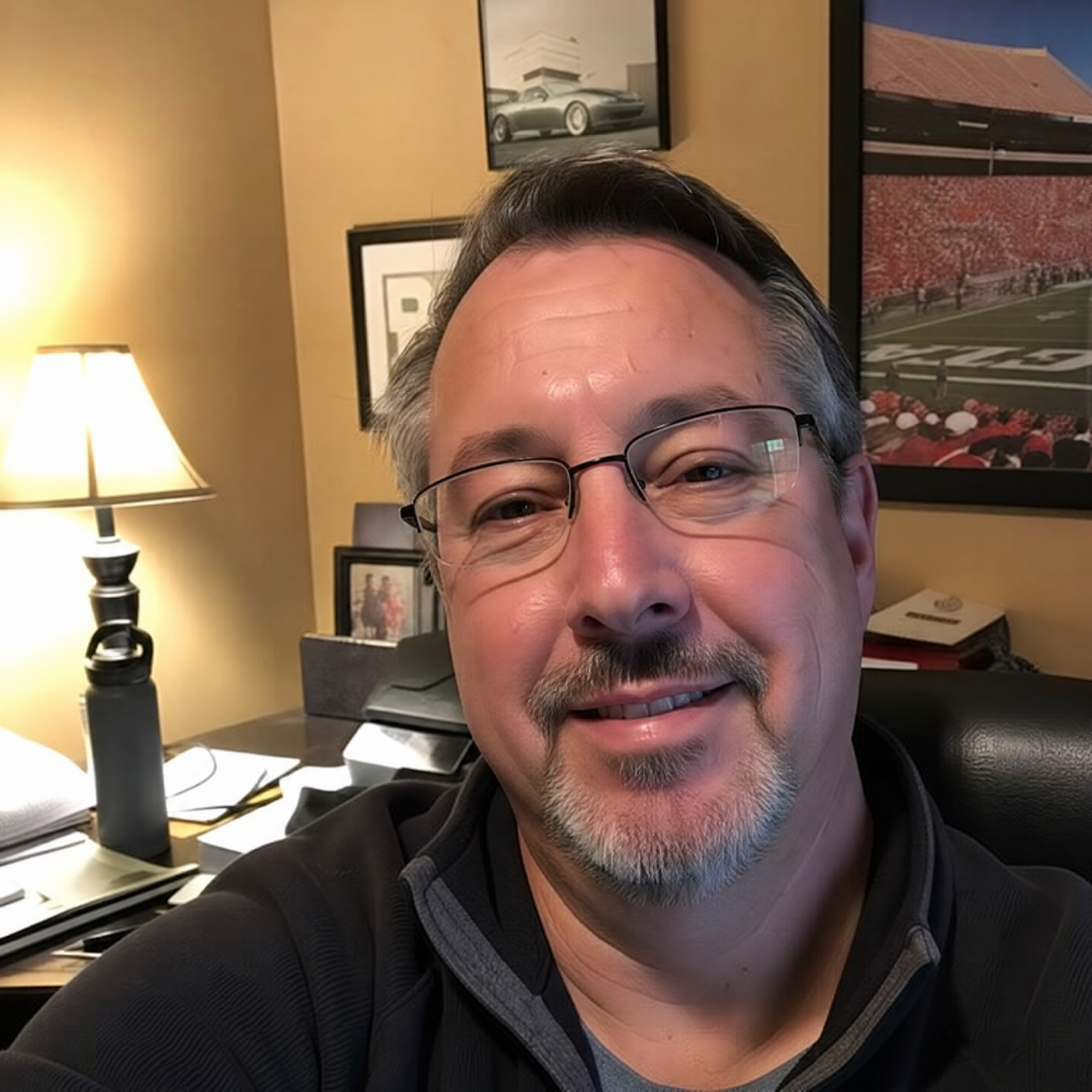
"I sat in that chair for an hour and came out with thirty years of junk cleared out of my head. That, to me, was a miracle. I haven't felt this good in probably three decades. It works. You can go from feeling like trash to feeling normal in the span of two hours. If you're on the fence, don't be. They'll treat you well, and you'll feel amazing when you leave."
Doug M.
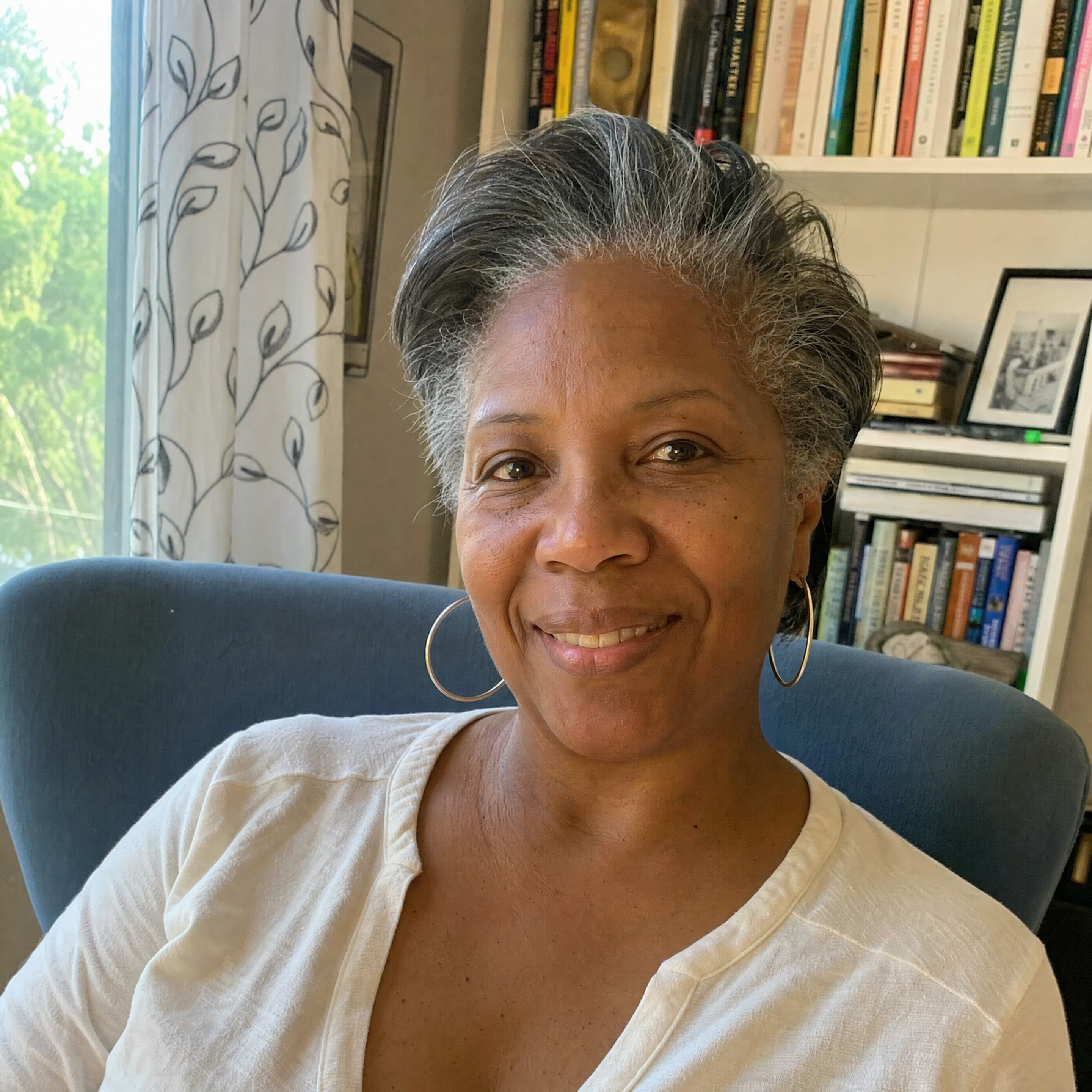
"I'm investing in myself, and it's paying off. Before, I couldn't get out of bed. I didn't want to see anyone. I was afraid to go outside, overwhelmed by anxiety. TMS gave me space to reconnect with myself, not the person I used to be, but a new version of me. And there's something exciting about that."
Yvonne R.
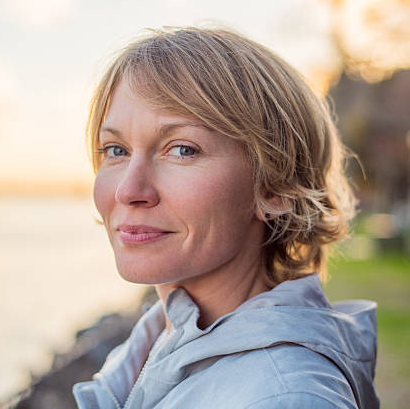
"The first time I tried SPV Therapy, I noticed the change immediately. Before, I was living with anxiety and depression, on four different medications, trying to find relief without wanting all the side effects that came with them. I decided to give SPV Therapy a try, and it changed my life completely."
Kristen H.
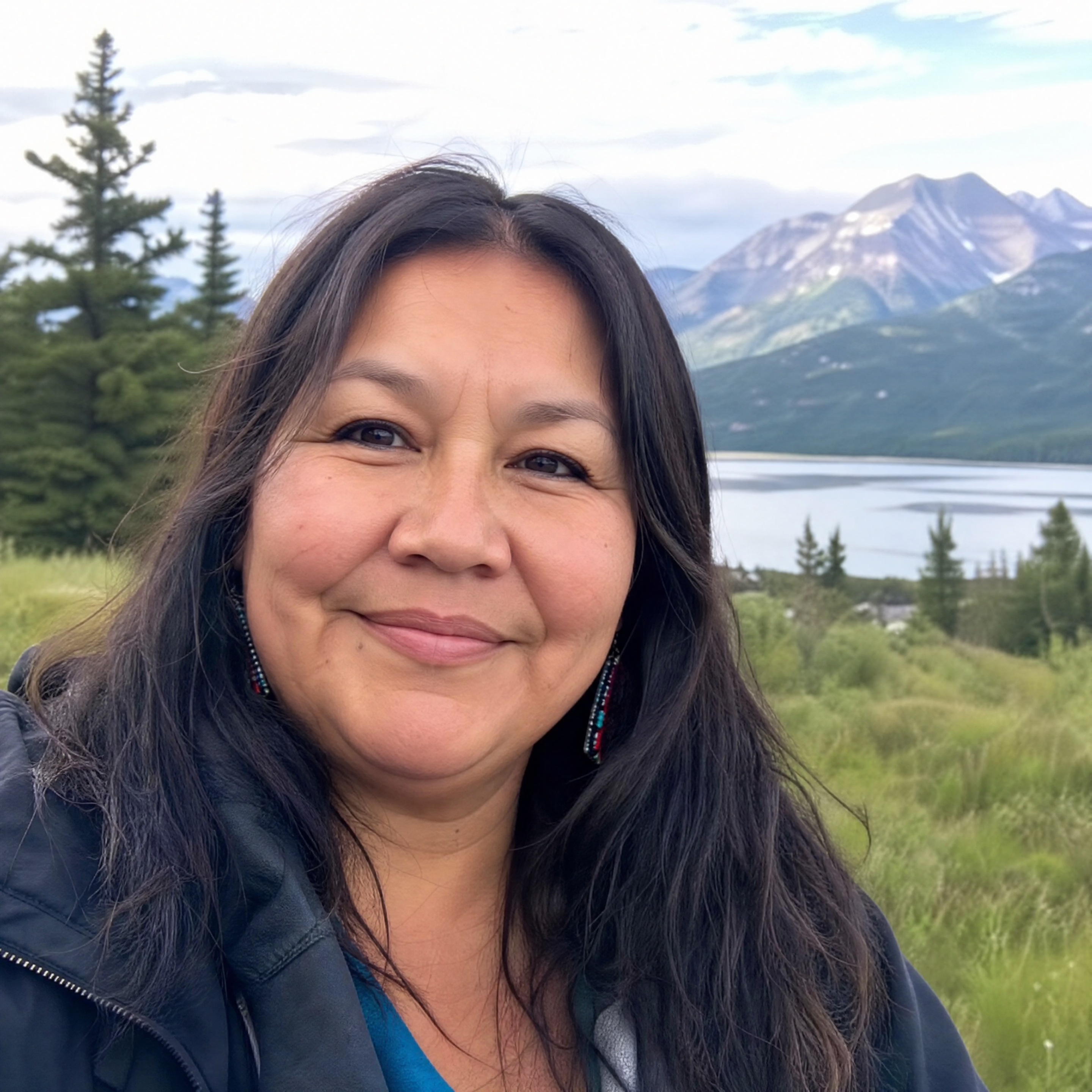
"Where I come from, you don't talk about mental health. You just smile and say everything is fine, because the moment you admit something's wrong, people treat you differently. That fear keeps a lot of us quiet. This treatment doesn't bring back who you used to be, it introduces you to a new you, and there's something exciting about that, especially when you'd lost the will to even get out of bed. The best person you've been looking for your whole life is you."
Angela W.




Ready for meaningful support?
- No commitment
- Real humans
- Free verification
- HIPAA-compliant
How to get started
We've made this as simple as we can.
01
Check
Take the 30-second quiz and share your insurance details so we can check coverage for free.
02
Consult
Meet with a Psycle Health Care Coordinator to confirm if a partner clinic is a fit.
03
Evaluate
Speak with a licensed medical professional to confirm you're a candidate.
04
Authorize
The clinic will submit a prior authorization to your insurance, which takes 5-7 days on average.
05
Improve
Begin twice-weekly starting sessions, with our team supporting you through every visit.

Frequently asked questions about the evaluation.
A licensed psychiatrist at the partner clinic nearest you reviews your medication history, your current symptoms, and any safety factors. Together you'll discuss whether SPV, TMS, or another path is the best fit. Psycle Health verifies your insurance for free in parallel.
No. The evaluation is the perfect time to consider this choice further. Your psychiatrist recommends a path based on your history, your goals, and your safety profile. Many patients qualify for more than one option; some only fit one. Considering your options together is what the clinical conversation is for.
About 45 - 60 minutes for the clinical visit, plus a brief intake call beforehand to verify insurance and gather records. Most women leave the evaluation with a clear next step towards SPV or TMS, and a starting date if they want to proceed.
Yes. The partner clinic doesn't charge for the initial consultation. Insurance verification through Psycle Health is also free. There's no obligation to start SPV or TMS treatment.
SPV is an FDA-approved nasal spray for adults whose depression hasn't responded to at least two oral antidepressants. It works on the glutamate system, can produce measurable effects within 24 hours, and is taken in-clinic with two hours of monitoring afterward. You'll be asked to arrange a ride home, and be able to drive again the next day.
TMS (transcranial magnetic stimulation) is an FDA-cleared treatment that uses gentle magnetic pulses to reactivate the part of the brain that depression can subdue. Sessions are about 20 minutes, drug-free, with no sedation, and you can return to normal activities right away afterwards. A standard course runs five days a week for six weeks.
Most major commercial plans and Medicare cover both, with prior authorization, (SPV is FDA-approved for depression rather than perimenopause-related depression specifically). Psycle Health and the partner clinic handle the paperwork for whichever path you and your psychiatrist choose, at no cost.
We'll tell you honestly and walk you through alternative approaches. If a different path is right for you, we'll point you to it. If it's possible these approaches might be right for you in the future, e.g. after pregnancy is over, we'll arrange a future free consultation.
Fill out the form. A Psycle Health care coordinator calls within 24 hours to verify your insurance and book the evaluation with the clinic nearest you. From form to evaluation is usually under a week, with treatment for the earliest possible appointment following a successful evaluation.
Often both, and the distinction matters less than the treatment. Depression during the menopausal transition is documented, biological, and treatable as depression.
No. Psycle helps when depression hasn't responded to standard treatment. For hormone therapy or menopause management, a menopause-trained clinician is the right path.
You haven't run out of options. You may just not have been offered the right ones yet.
Schedule a free call. We'll verify your insurance and talk through your history, midlife changes and all. And together with a psychiatrist, we'll help you map a real next step.